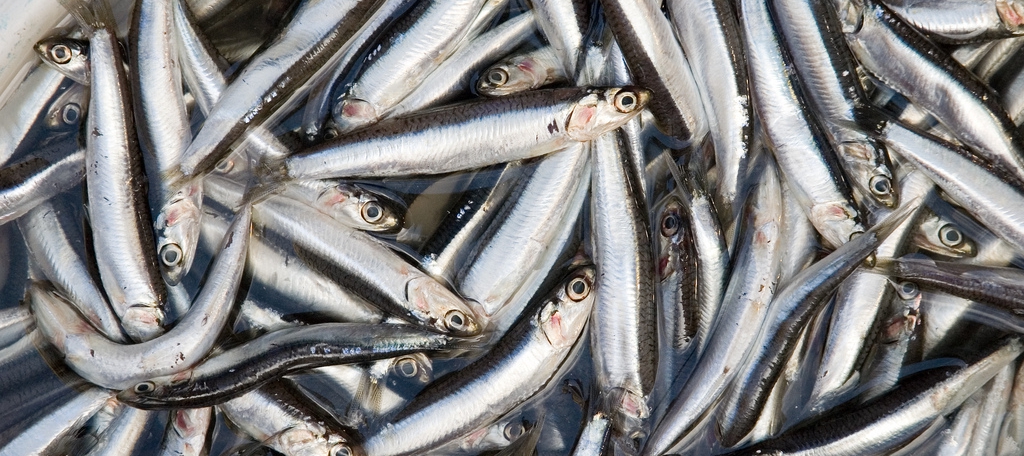
Anchovy
Anchovies are typically deemed an oily fish. They are high in calcium, iron, niacin, phosphorus, selenium & cholesterol.
Strong, More Mild in Italy
Quick Facts
Commonly Known As:
Anchovies, Sardines
-
Species Name
Anchovy
-
Latin Name
Sardinella anchovia
-
Harvest Method
Net Caught
-
Range & Habitat
Eastern United States
-
Producer
Baja Peninsula Fleet
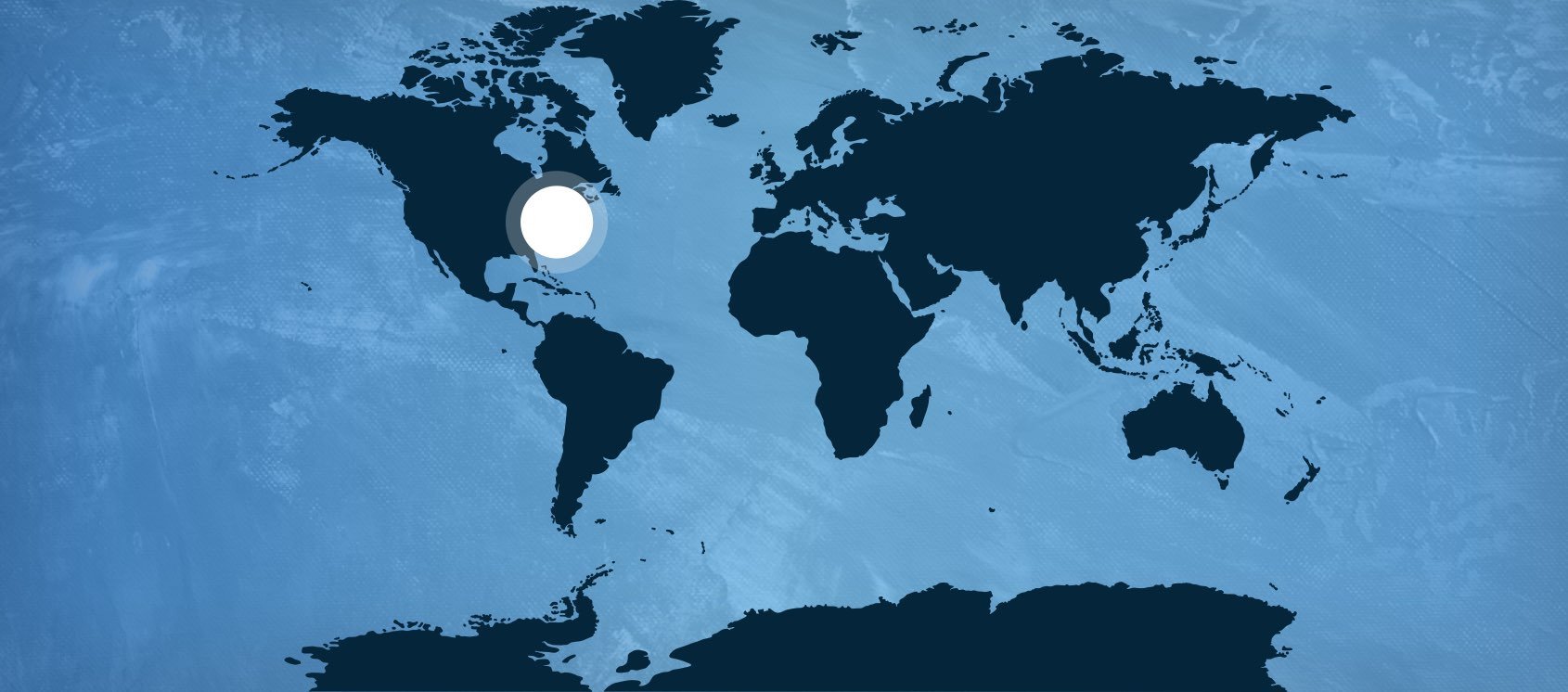
Range & Habitat
Baja Peninsula Fleet
From small fishing villages along the northern part of the Baja Peninsula, Day Boat Fishermen set out in small Wooden Pangas for a day of hand lining and scallop diving. The honor of tradition and familial unity are drivers in this amazing Day Boat program.
Fishermen - The Quintero Family, Ortega Cruz, Elmar King, Paisa Ocegueda
You Might Also Like These
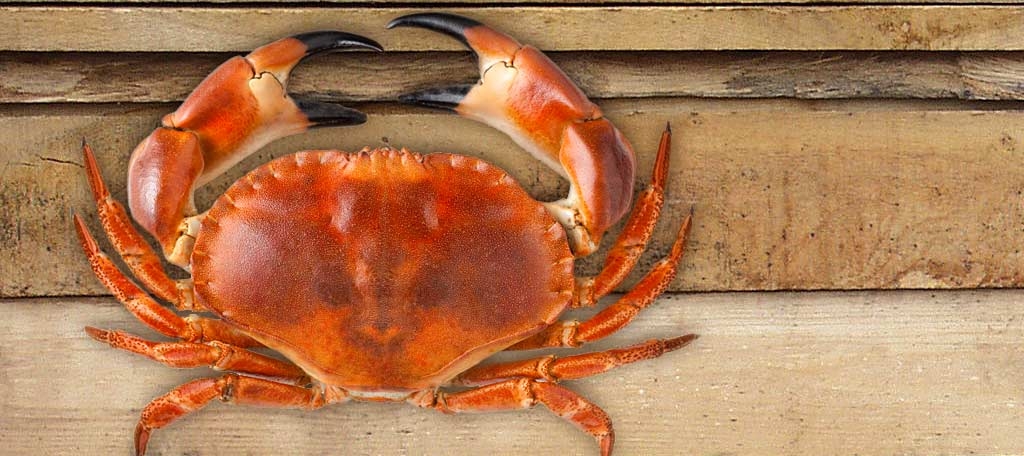
Sweet, Moderate Brine
The Peekytoe is primarily "All Leg Meat". The legs of the Rock Crab have a wonderful complex flavor that can be utilized in endless applications.
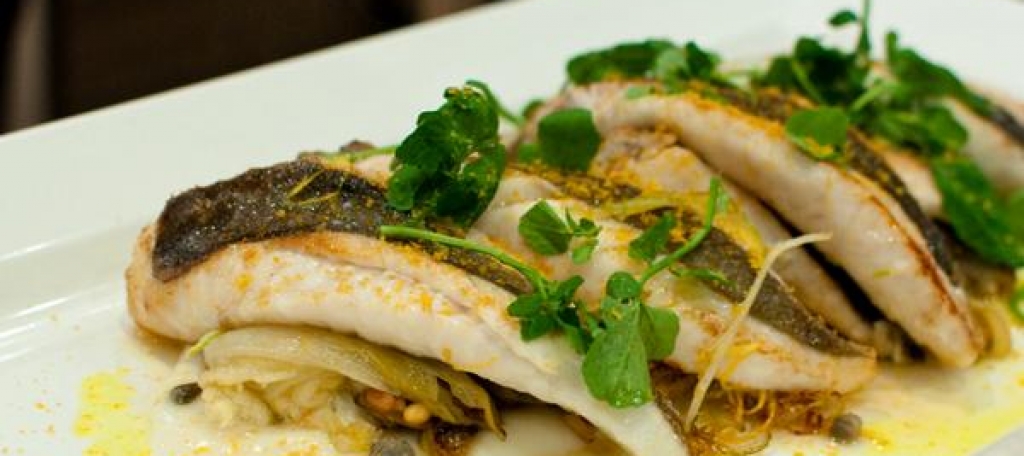
Very Flakey, Sweet, Moist
Think of Dover Sole with a Snapper's texture. Think of Turbot with a crab like sweetness. John Dory is a versatile species that dominates the light, white, flakey genre. John Dory is an upright "Flatfish". Its fillet resembles the shape of Flounder, but without scales. It has a beautiful olive to gold skin that crisps wonderfully when seared. The flake of the John Dory is delicate and supple. The clean flavors are the perfect canvas for light sets and minimalistic ingredient approach.
We have developed one of the finest and most extensive product lines of all natural flavor-infused smoke salmon products, highlighting us as a leading ultra-premium brand. You can be assured that wherever you find the St. James logo, you will be guaranteed quality, integrity and above all else customer satisfaction. All of our products are made from Premium Fresh Never Frozen Raw Material and are 100% All Natural, Free of Any & All Additives and Preservatives. Gluten Free. Kosher Certified. High in Omega 3. Non GMO.