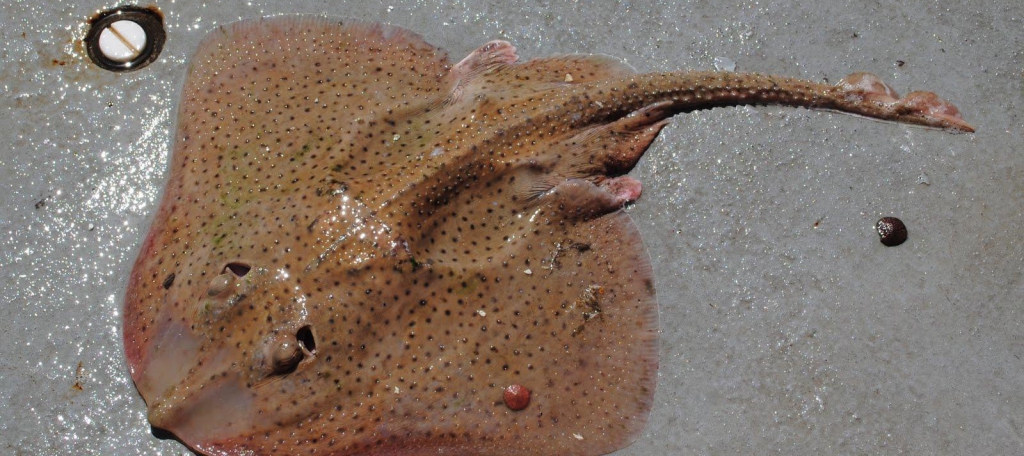
Atlantic Common
Very light in flavor with a unique "shred" in the flake.
Light, Clean, Moist, Flakey
Quick Facts
Commonly Known As:
Common Skate, Blue Skate
-
Species Name
Skate
-
Latin Name
Dipturus batis
-
Origin
Gulf of Maine to George's Bank
-
Harvest Method
Hook & Line
-
Range & Habitat
Eastern United States
-
Producer
New England Fleet

Range & Habitat
New England Fleet
New England was once the wealthiest region in the United States. Between 1850 and 1910 New Bedford was considered the whaling capital of the world. At this time whale oil and by products were more valuable than any other natural resource next to gold. The Seamen hunting these mammals were some of the richest men of their time building huge mansions along the coastline of New Bedford. They assembled the finest modern fishing fleets to hunt this ocean gem and nearly drove the whale to extinction. Today, New Bedford has transformed itself into a large scallop port along the Eastern Seaboard and produces the largest amount of shucked meats for our domestic consumption. In keeping with SeafoodS.com's commitment to providing complete regional solutions, our team has also layered in day-boat producers and aqua-culture artisans in Nantucket, Cape Cod, Boston, Glouster and many other local fisheries of the Northeast.
You Might Also Like These
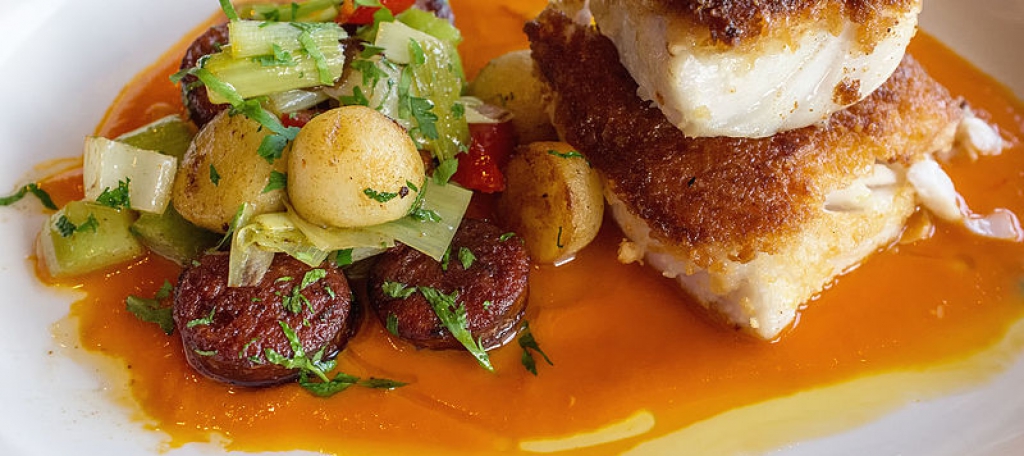
Sweet, Light, Flakey, Mild
Kitty Mitchell (Strawberry) Grouper are a wonderful version of the Red Grouper. Kitty Mitchells find themselves between Sweetness of Black Grouper and the Versatility of Red Grouper. Kitty Mitchell Grouper feed on a variety of shellfish and crustaceans. This relates to a beautiful succulence in the flesh.
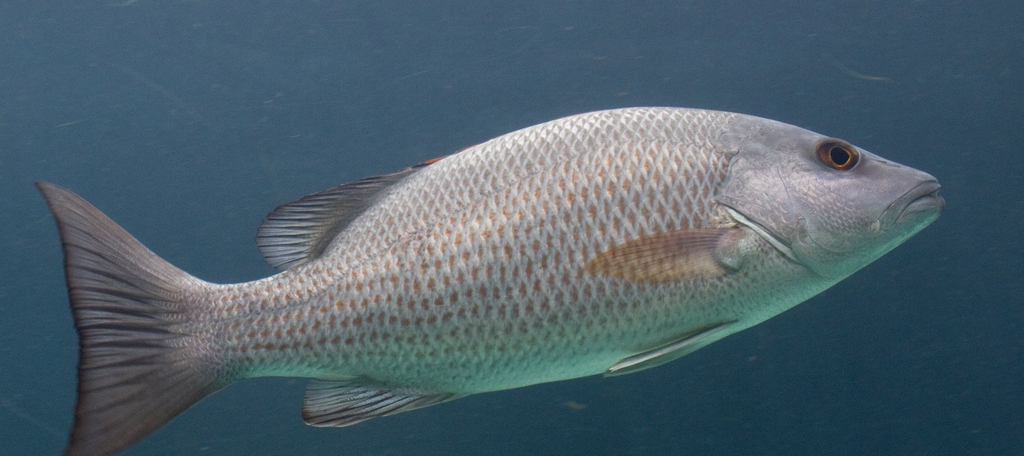
Lean, Succulent, Clean
Mangrove Snapper love shallow tidal currents. Typically found near stands of Mangrove Trees in areas where tidal waters flow in and out. Strong swimming and voracious eating result in complex and moderate flavors. Ceviche, Steam, Saute, Pan Roast.
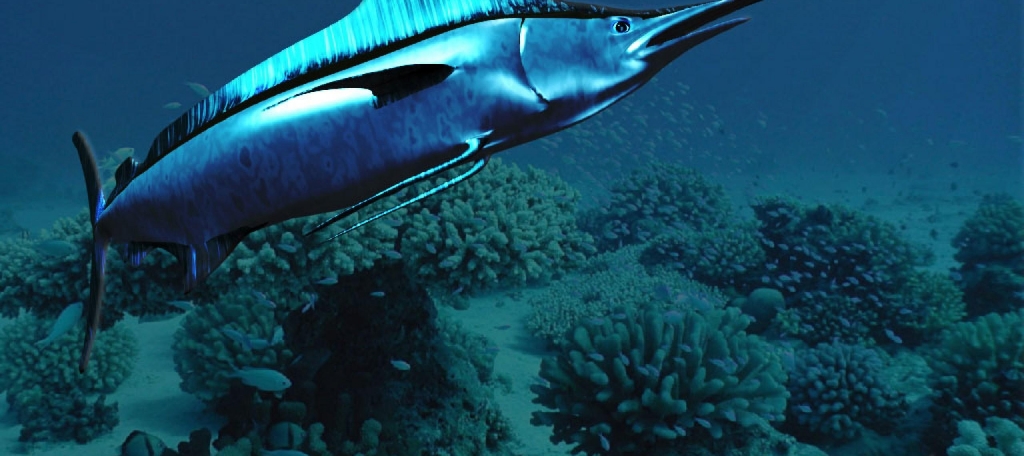
Clean, Firm, Moderate
From receiving, it lends itself to a great butchering aspect. From whole fish, to wagon wheels, to steak ready loins, this cylindrical body has a great yield. Cutting waste, cutting butcher time, cutting cost. With the firm texture of the flesh, and abundant flavor, Shutome is phenomenal for grilling, light smoking, and broiling. It also caramelizes nicely in a searing application. It holds up fearlessly against powerful “sets” and spices.