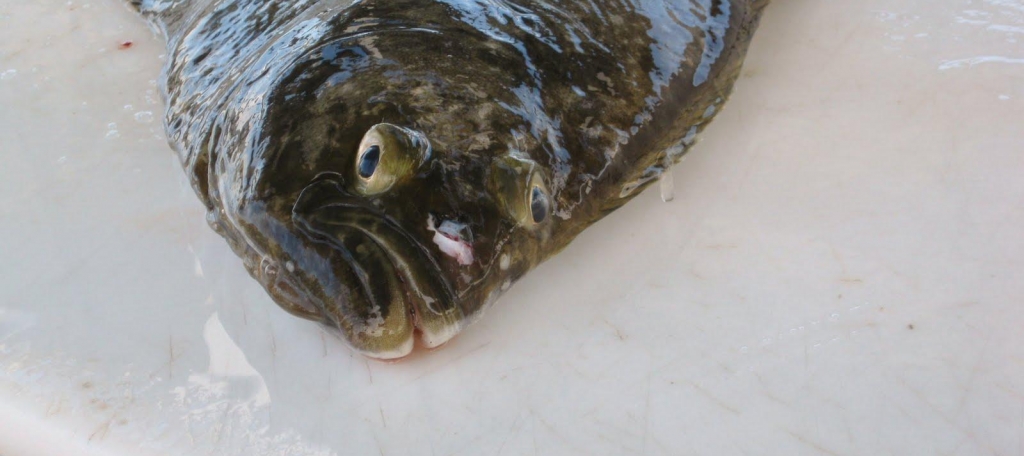
California - Right Eye
Light and flakey with clean flavors.
Paper White, Mild, Flakey, Moist
Quick Facts
Commonly Known As:
Southern Halibut, Chicken Halibut, Real Halibut
-
Species Name
Halibut
-
Latin Name
Paralichthys californicus
-
Origin
Sea Of Cortez
-
Harvest Method
Hook & Line
-
Range & Habitat
Southern California & Mexico
-
Producer
Baja Peninsula Fleet
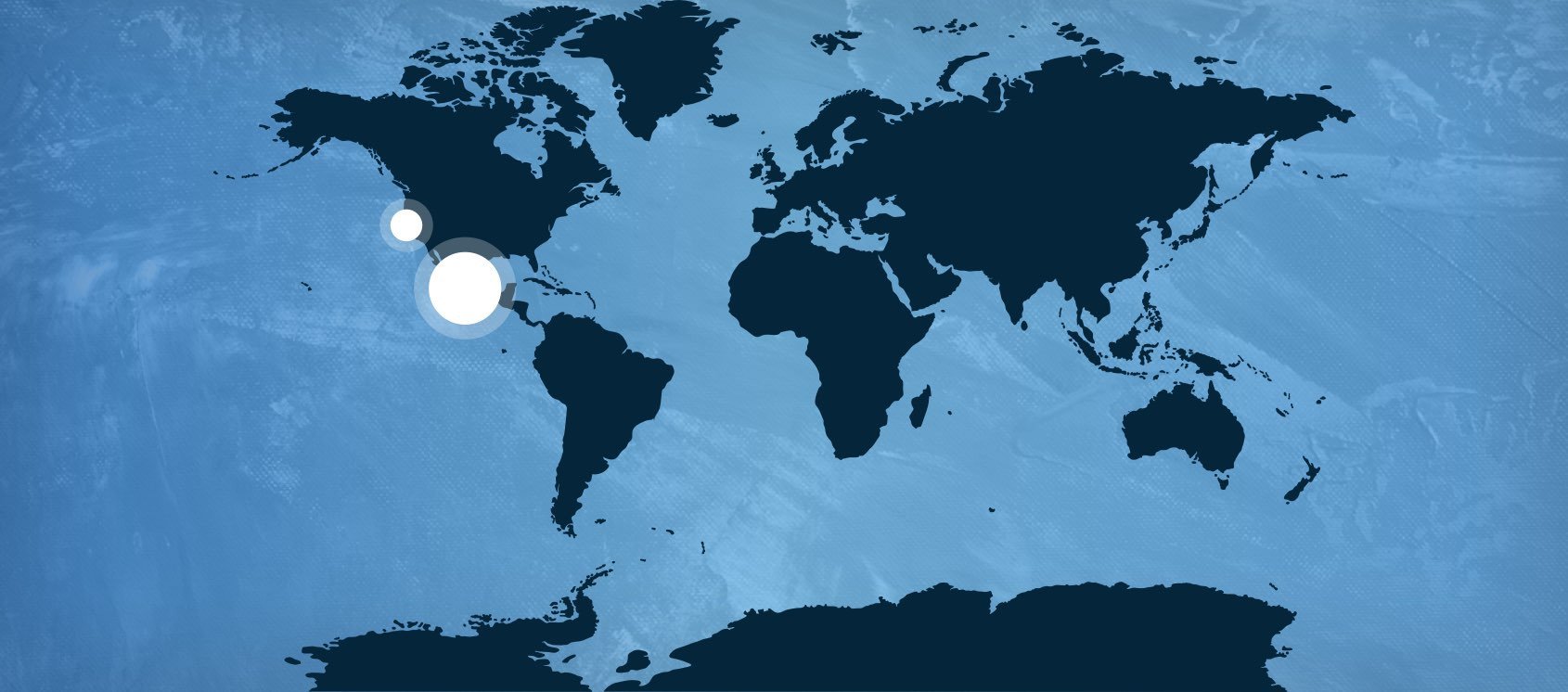
Range & Habitat
Baja Peninsula Fleet
From small fishing villages along the northern part of the Baja Peninsula, Day Boat Fishermen set out in small Wooden Pangas for a day of hand lining and scallop diving. The honor of tradition and familial unity are drivers in this amazing Day Boat program.
Fishermen - The Quintero Family, Ortega Cruz, Elmar King, Paisa Ocegueda
You Might Also Like These
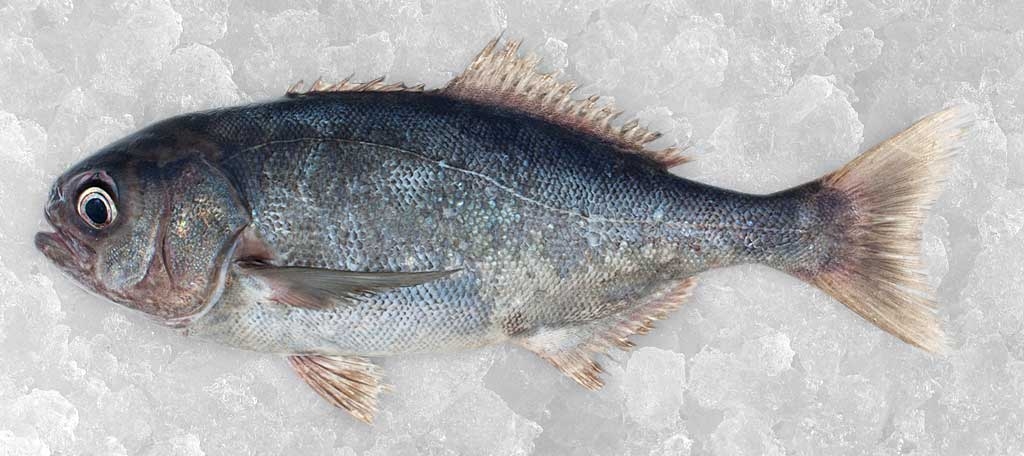
Paper White, Moist, Firm
Bluenose Antarctic Butterfish is a midsized species with phenomenal Fat. Many Fine Dining restaurants go to Bluenose as AK Halibut season ends. A very mild, white flesh that has large flakes and abundant moisture. Culinary applications mirror favorite Halibut recipes. Sear, Saute, Pan Roast, Poach, Broil.
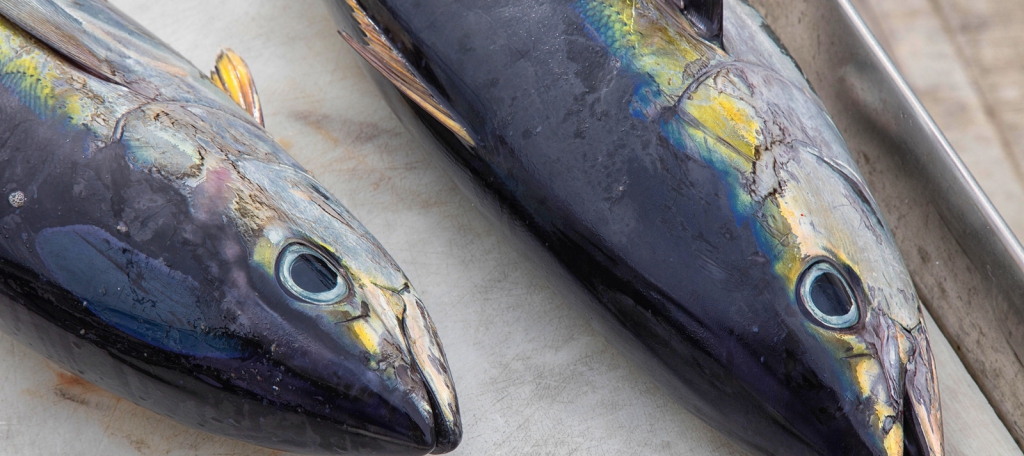
Lean, Crunchy, Clean
Among the larger Tuna species, reaching weights of over 400 pounds, the Yellowfin Tuna is a revered ocean predator, feeding on lean fish.
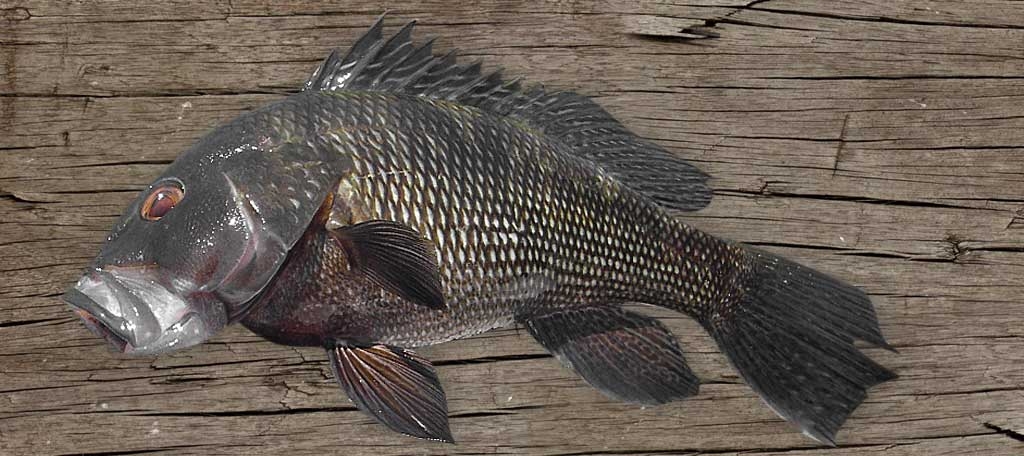
Flakey, Paper White, Moist
A beautiful glisten of dark black skin contrasts paper white flesh at French tableside service. It is an awesome fillet fish with a crispy edible skin. Black Bass is an American Sustainability Success Story.