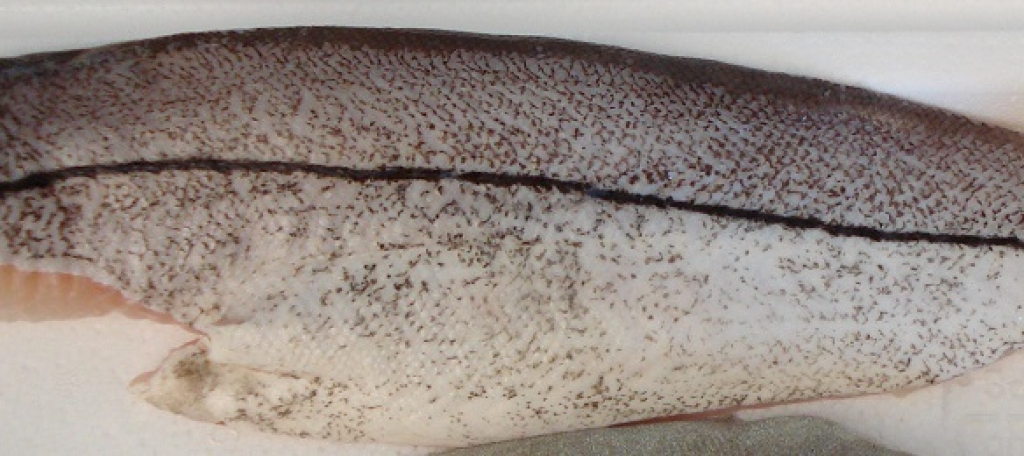
Day Boat
Cod-like in texture, but with a more complex flavor.
White, Light, Moist, Flakey
Quick Facts
Commonly Known As:
Atlantic Haddock
-
Species Name
Haddock
-
Latin Name
Melanogrammus aeglefinus
-
Origin
Gulf of Maine
-
Harvest Method
Hook & Line
-
Range & Habitat
North Atlantic & New England
-
Producer
SFS Partnership

Range & Habitat
SFS Partnership
SeafoodS.com takes the upmost pride in bringing locally-minded fisheries to your guests. Whether our products are shipped from Fishermen, Ranchers, Foragers, Artisans or Importers, it is our passion to deliver excellent product through perfect service to you and your guests.
You Might Also Like These
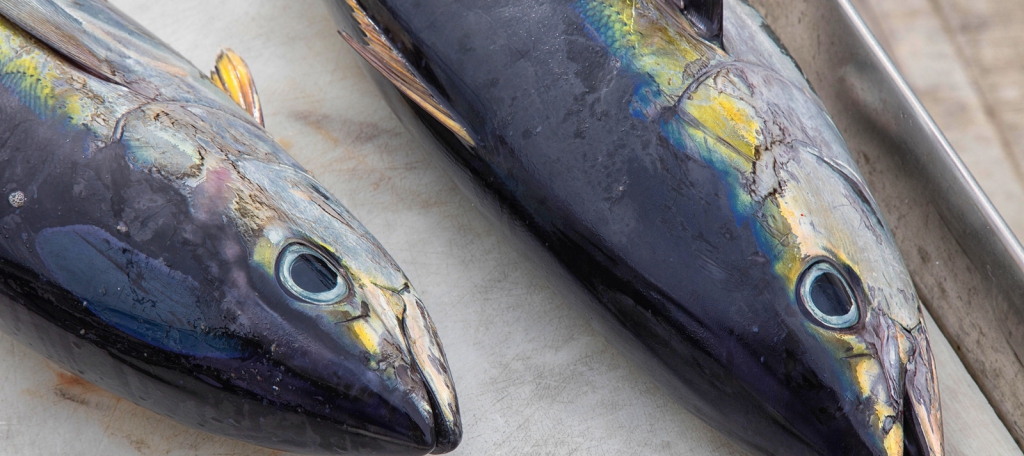
Lean, Crunchy, Clean
Among the larger Tuna species, reaching weights of over 400 pounds, the Yellowfin Tuna is a revered ocean predator, feeding on lean fish.
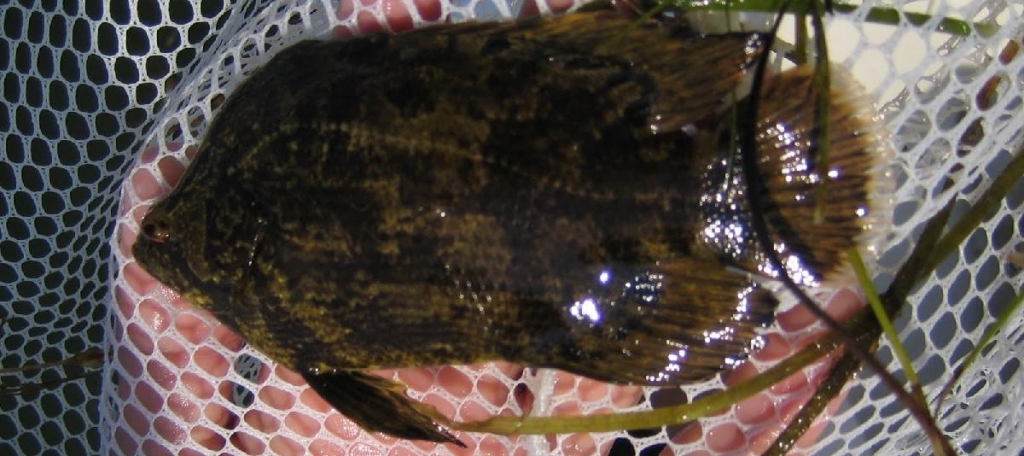
Flakey, White, Savory, Moist
Tripletail are a species to themselves. Only the Pacific and Atlantic species exist. The "Buoy Bass" name comes from their enjoyment of hanging around in the shade. Feeding from the bottoms of buoys, kelp beds, even pallets fallen from shipping vessels. They enjoy the crustaceans that inhabit these oceanic oases. With such a broad diet, the Tripletail aquire a complex, savory flavor, while remaining paper white, flakey and moist. Treat the flesh as you would treat the best cut of Grouper and you, your team, and your guests will appreciate the subtle complexity of this undersung species. There is no need to overthink accompanying flavors. The Tripletail has everything you need. One fisherman has stated that, "It could be dragged behind the truck in the mud, and still taste wonderful".
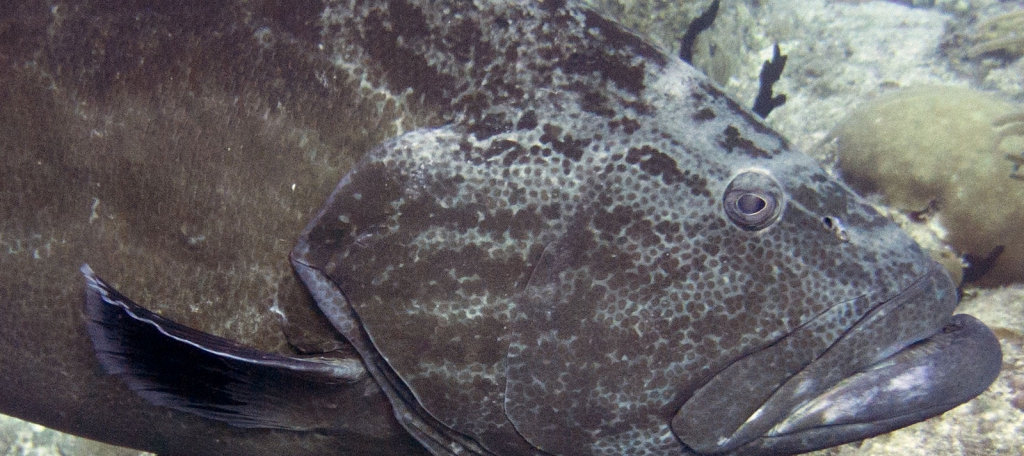
Flakey, Sweet, Light, Moist
Typically large fish. Growing to 30-40 lbs, it can offer baseball cuts for dramatic center-of-the-plate presentation. It is menued in many revered Fine Dining Restaurants.
Pan Roast, Sear, Broil, Poach