
Elysian
Holistically raised sheep produce some of the most natural lamb available. Elysian Farms Lamb is used by The French Laundry.
Quick Facts
-
Species Name
Lamb
-
Origin
Pennsylvania
-
Harvest Method
Pastured
-
Range & Habitat
Eastern United States
-
Producer
Elysian Fields Farm

Range & Habitat
Elysian Fields Farm
why holistic…because you are what they eat
The source of our food matters. The way our food is raised and grown matters. But rarely do we know where the food we buy comes from or how it’s raised. For too long, the industrialization required to mass produce food in this country has debased the quality of the products that reach our tables.
Pure Bred’s Keith Martin and Thomas Keller here offer a new perspective on one segment of this industry, raising lamb, a method that puts the animal first and as a result makes what this farmer and this chef believe is the best possible lamb. “I don’t see a difference between the lamb I raise on my farm and the meat you take home,” says Mr. Martin. “It’s all part of the same continuum, it’s all one thing, holistic. In order for the lamb you buy to be the best it can be, it has to be properly cared for while it’s alive. The entire life of the animal is paramount.”
Pure Bred has created a model for raising lamb founded on a respect for nature and the nature of the lamb itself. Mr. Martin and Chef Keller believe that lamb raised according to its nature results in better lamb, and hope that those who buy Pure Bred, likewise share in and encourage these convictions about how livestock is raised in America. Their patented system, Safe Alternative®, is reflected in their philosophy of the “Holistic Lamb®,” which demands observation of the animals, data collection regarding their feeding and their growth, and a verification of their source once they reach the consumer. It allows the consumer to be connected with the farmer and united in this philosophy of care and respect for the animals they raise.
You Might Also Like These
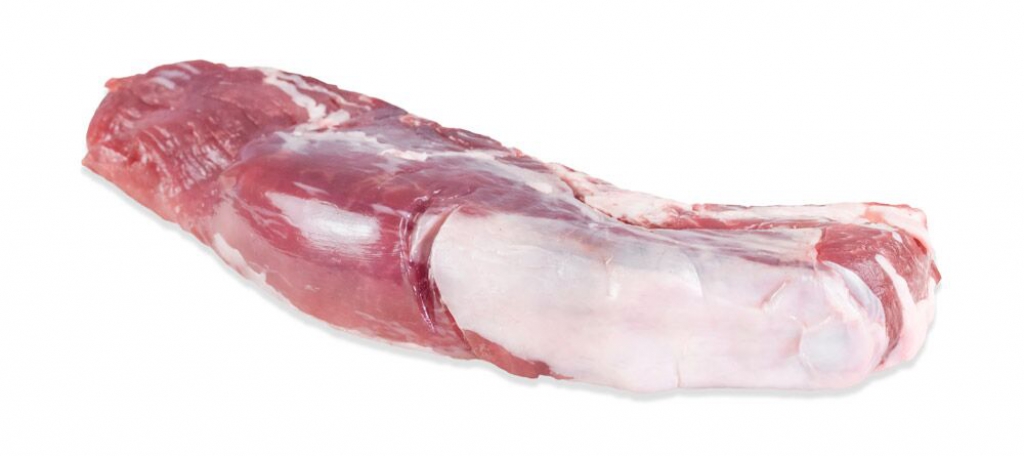
Succulent
Pasture-raised in Spain on a diet of grain, grass, forage and acorns. Protected from the central mountainous region of the Iberian Peninsula, the privileged microclimate in this area with its cold, dry winters and its short, mild summers is an ideal setting for our hams to dry and mature perfectly. In this area, with its unbeatable microclimate, every day hundreds of artisans, who are sons and grandsons of artisans, slowly and masterfully create the Guijuelo Iberian Ham, which is a 'one-of-a-kind in the world.'
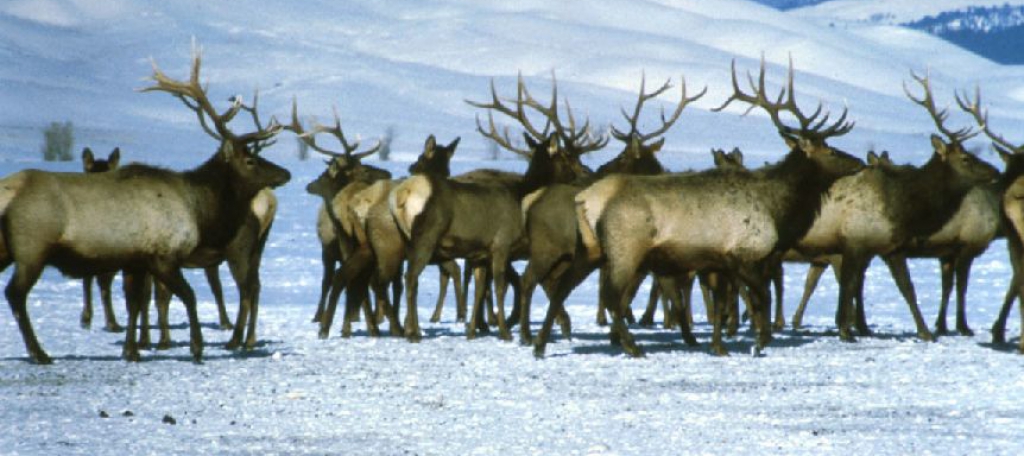
Lean, Flavorful, Clean
They're not only large in mass, but "large" in flavor. American Elk have a varied diet that presents a lean and "earthy" meat. Including grasses, plants, and even tree bark, the collage of nutrients that sustain this hefty beast produce a flavorful and deep red protein that plays well with the upcoming fall vegetable selection. The Elk's appeal to Autumn Menus is as natural as the leaves turning. SeafoodS.com offers Elk that enables consistency in supply while preserving its natural characteristics.
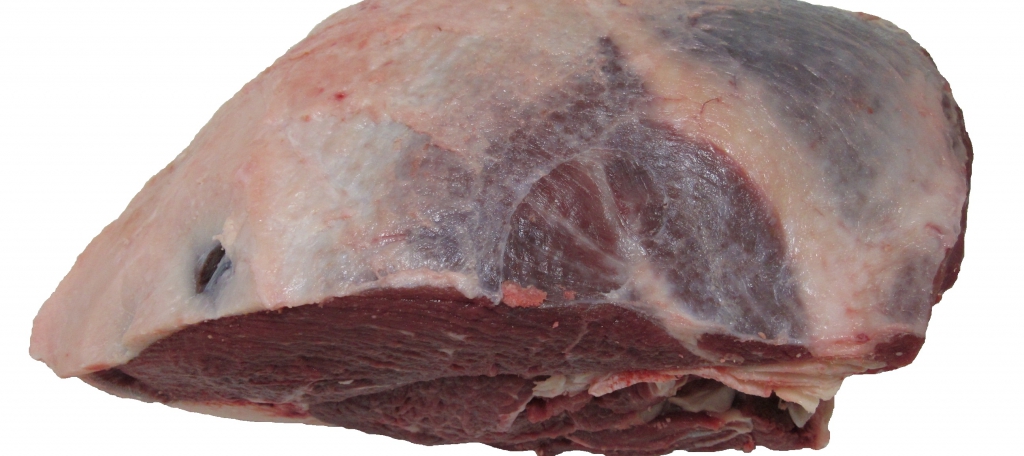
Lean, Flavorful, Rich, Moist
Most Bison ranchers are also noted as being environmental stewards – sustainable farming being of paramount importance to them. As a result, eating Bison has become another way for people to “go green.” It is becoming a frequent substitute for beef at the dinner table and at fine restaurants. “It seems Bison has the ability to put on its jeans and be as casual as a burger at the corner pub," reports Dave Carter, executive director of the National Bison Association (NBA), "and it also can be served at black tie affairs at very high end restaurants and diplomatic dinner parties.”