Florida
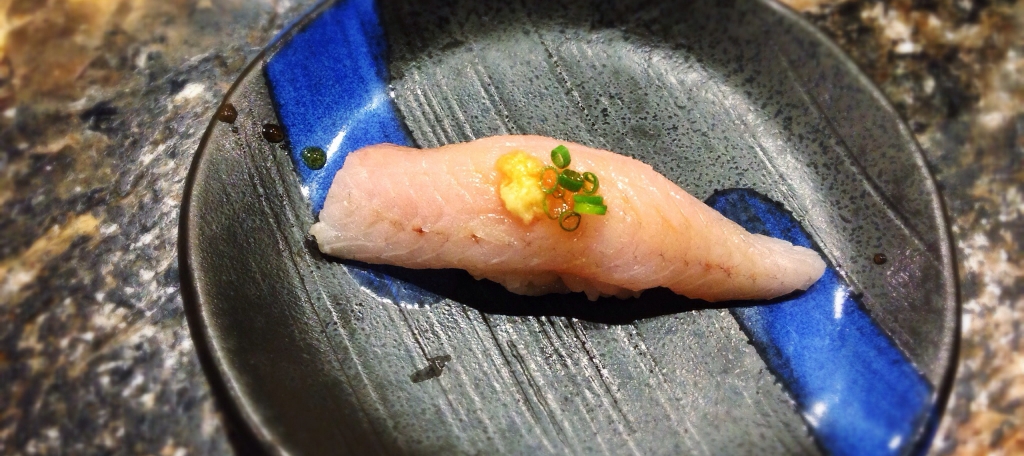
Brilliant white flesh. Premiere food fish. Highly sought after for fine dining.
Flakey, White, Sweet, Mild
Quick Facts
Commonly Known As:
Pompano
-
Species Name
Pompano
-
Latin Name
Trachinotus carolinus
-
Origin
Florida Keys
-
Harvest Method
Hook & Line
-
Range & Habitat
South Atlantic & Caribbean
-
Producer
St Pete Fleet

Range & Habitat
St Pete Fleet
St Petersburg Fleet - Jutting between the pristine waters of the Gulf Of Mexico and the vast span Atlantic Ocean, Florida Vessels have the best of both worlds. Day Boat and Long Line Fisheries produce a bounty of tropical species as well as migratory predators and pelagic species.
Ask any fish monger about procuring Gulf species and he’ll mention St. Petersburg, Florida (“St. Pete” for short). Vast varieties of fin-fish ranging from tuna and swordfish to groupers and snappers are distributed through this historically-rich region of the Florida coastline. Expect to also see a robust selection of Keys-caught species like yellowtail snapper, Caribbean Red Snapper and Hogfish to come through St. Pete. It’s regionally situated in a perfect location for national distribution and with our Q&A in place, it’s always top quality.
You Might Also Like These
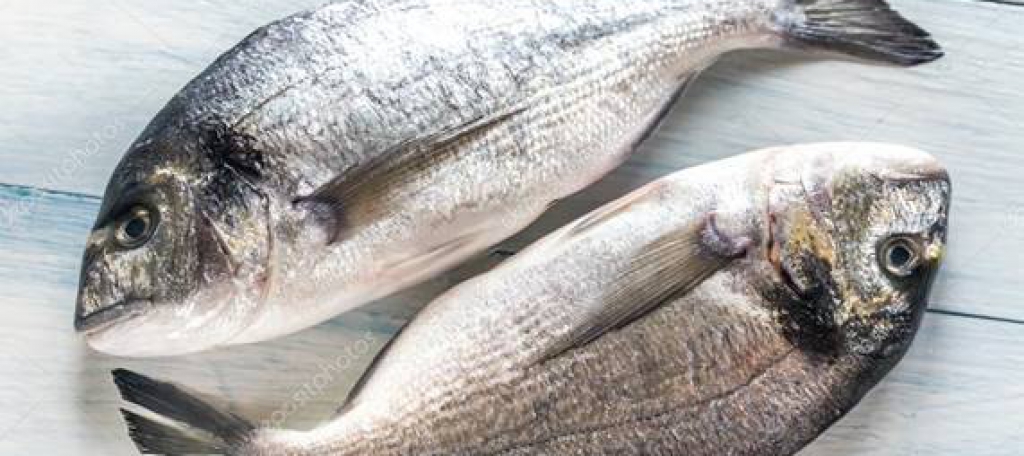
Rich, Succulent, Meaty, Clean
Dorade is a small fish with tender white flesh, shimmering silver skin. The grilled skin is incredibly delicious, and the flesh stays moist because there is a layer of fat between the skin and flesh. Like all fish in the Sparidae family, the sea bream is a bottom-dwelling, carnivorous fish found in temperate and tropical waters. Most species in the family posses molar like teeth for grinding.
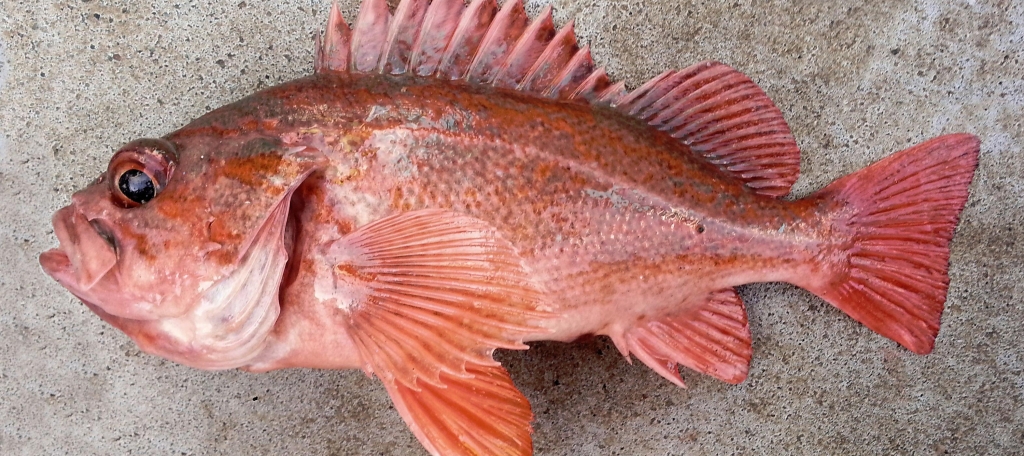
Mild, Rich, Creamy
Like many Rockfish, The Red Rock Cod has a phenomenal moisture that translates to a rich and succulent texture. The raw light pink flesh cooks to a brilliant paper white. The Rock Cod has a blank slate canvas that accepts many applications. The light flavor is a vehicle for fresh Spring and Summer herbs, fruits and vegetables. Light Butter Sauces, Vinaigrettes, Gastriques and Purees are perfect for this Hand Line delicacy. Saute, Broil, Ceviche, Sous Vide.
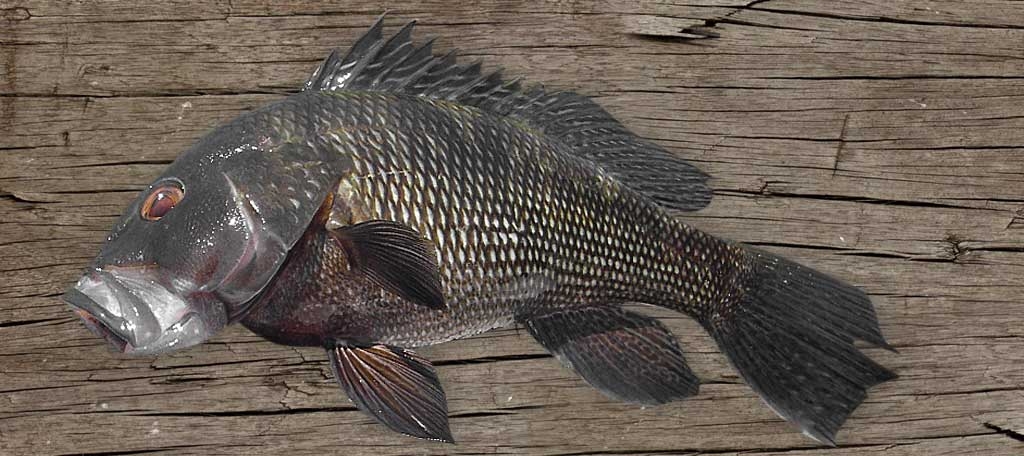
Flakey, Paper White, Moist
A beautiful glisten of dark black skin contrasts paper white flesh at French tableside service. It is an awesome fillet fish with a crispy edible skin. Black Bass is an American Sustainability Success Story.