
Heluka®
Happy pigs & plenty of sunshine, rooting and napping in the shade.
Moist, Tender, Flavorful
Quick Facts
-
Species Name
Pork
-
Origin
Western Iowa
-
Harvest Method
Pastured
-
Range & Habitat
Midwest United States
-
Producer
Beeler's Pure Pork

Range & Habitat
Beeler's Pure Pork
Heluka® is derived from the
Native American language meaning "full of sun."
Their pork is given that name because
every pig on Their Heluka® farms is FREE
to go outside at will to enjoy the fresh air and sunshine!
Heluka® pork was developed with two things in mind: the welfare of the pigs and the palates of consumers. To satisfy both, Beeler's have developed their own exclusive Heluka® production model and breed. This system ensures that Beeler's pigs are raised with compassion, and that your dining experience will be exceptional, consistent, wholesome, and safe.
You Might Also Like These
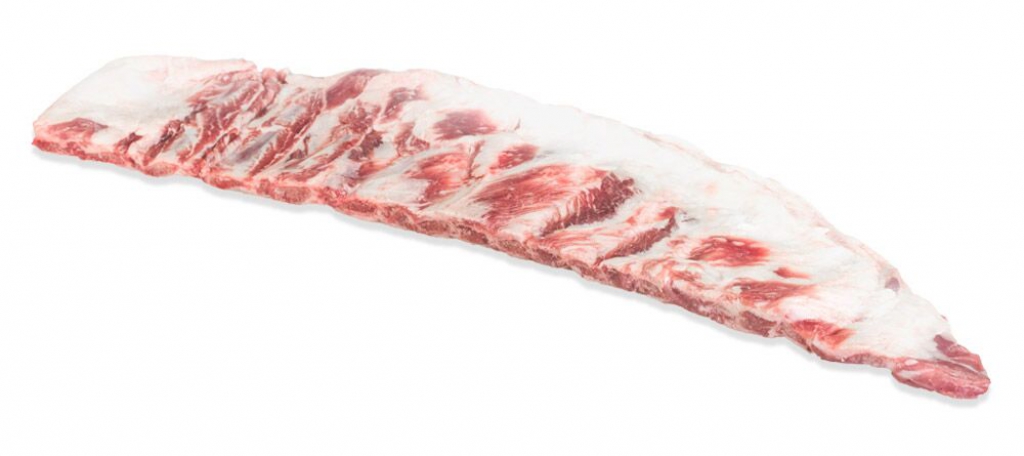
Succulent
Pasture-raised in Spain on a diet of grain, grass, forage and acorns. Protected from the central mountainous region of the Iberian Peninsula, the privileged microclimate in this area with its cold, dry winters and its short, mild summers is an ideal setting for our hams to dry and mature perfectly. In this area, with its unbeatable microclimate, every day hundreds of artisans, who are sons and grandsons of artisans, slowly and masterfully create the Guijuelo Iberian Ham, which is a 'one-of-a-kind in the world.'
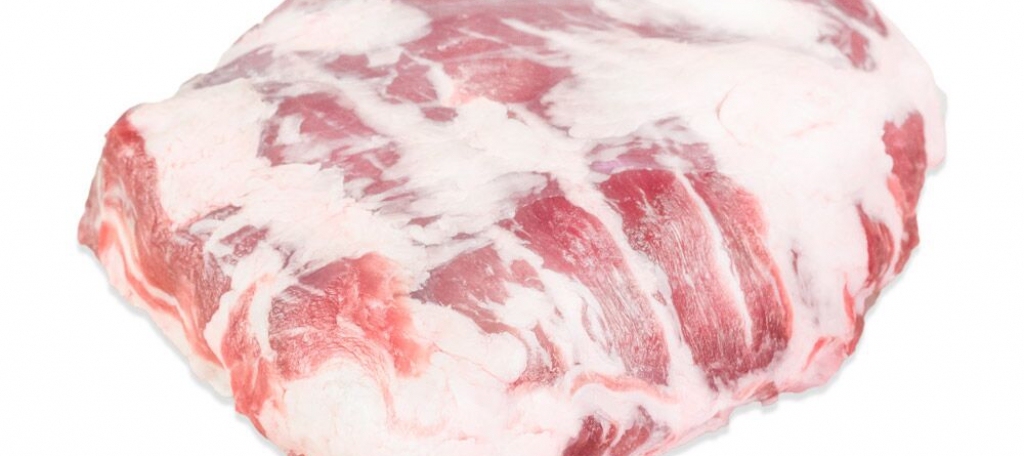
Succulent
Pasture-raised in Spain on a diet of grain, grass, forage and acorns. Protected from the central mountainous region of the Iberian Peninsula, the privileged microclimate in this area with its cold, dry winters and its short, mild summers is an ideal setting for our hams to dry and mature perfectly. In this area, with its unbeatable microclimate, every day hundreds of artisans, who are sons and grandsons of artisans, slowly and masterfully create the Guijuelo Iberian Ham, which is a 'one-of-a-kind in the world.'
Fat, Extra Creamy, Sweet
Legendary Iberico pork made even better on a diet of foraged acorns that make the fat extra creamy and sweet - the best of the best! Protected from the central mountainous region of the Iberian Peninsula, the privileged microclimate in this area with its cold, dry winters and its short, mild summers is an ideal setting for our hams to dry and mature perfectly. In this area, with its unbeatable microclimate, every day hundreds of artisans, who are sons and grandsons of artisans, slowly and masterfully create the Guijuelo Iberian Ham, which is a 'one-of-a-kind in the world.'