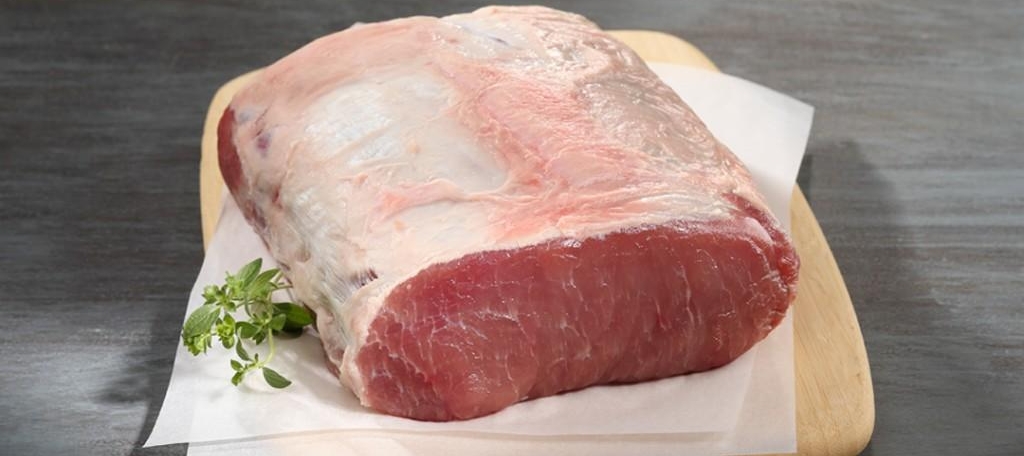
Kurobuta Berkshire
Quick Facts
Commonly Known As:
Kurobuta
-
Species Name
Pork
-
Origin
Midwest Berkshire Cooperative
-
Harvest Method
Pastured
-
Range & Habitat
Midwest United States
-
Producer

Range & Habitat
Snake River Farms
The Highest Quality Ingredients Enhance the Experience- The SNAKE RIVER FARMS experience is enhanced by a careful selection of only the highest quality complimentary ingredients. This allows the beef to shine. The Experience is a Gift.
SNAKE RIVER FARMS is a family-owned business, which began over a decade ago with a small herd of Wagyu cattle from the Kobe region of Japan. The Wagyu bulls were crossed with premium American Black Angus to form a proprietary herd that has developed into one of the finest groups of Wagyu/Angus cross cattle in the U.S. Often referred to as American Kobe Beef, this unique breed was bred specifically to deliver the finest eating quality. Every step in the production process is strictly controlled to ensure that this level of distinction is achieved. SNAKE RIVER FARMS also produces American Kurobuta Pork, 100% pure all-natural Berkshire pork, raised by a small network of family farmers dedicated to delivering only the best.
You Might Also Like These
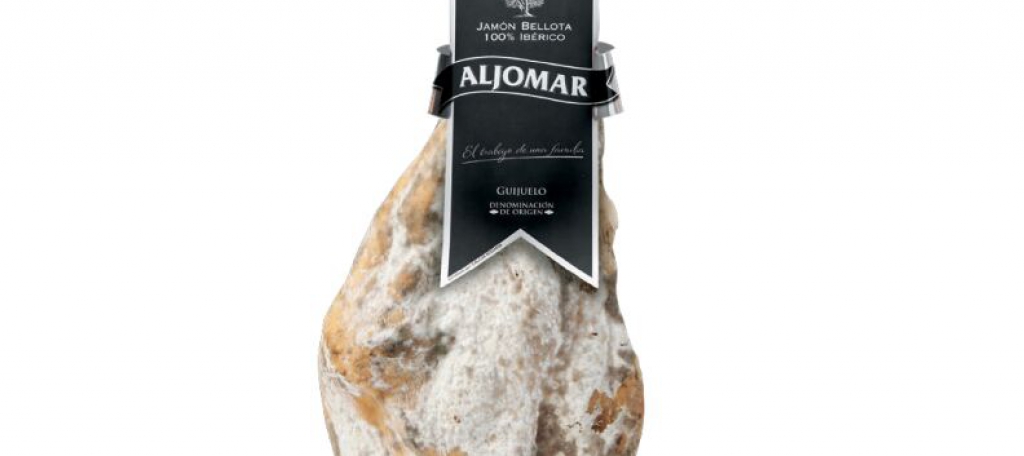
Fat, Extra Creamy, Sweet
Legendary Iberico pork made even better on a diet of foraged acorns that make the fat extra creamy and sweet - the best of the best! Protected from the central mountainous region of the Iberian Peninsula, the privileged microclimate in this area with its cold, dry winters and its short, mild summers is an ideal setting for our hams to dry and mature perfectly. In this area, with its unbeatable microclimate, every day hundreds of artisans, who are sons and grandsons of artisans, slowly and masterfully create the Guijuelo Iberian Ham, which is a 'one-of-a-kind in the world.'
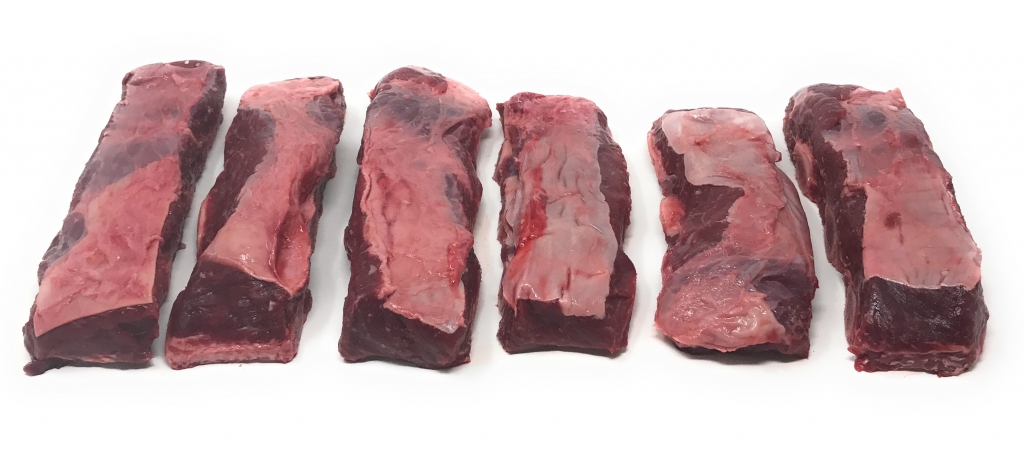
Lean, Flavorful, Rich, Moist
Bison is becoming a frequent substitute for beef at the dinner table and at fine restaurants. Also healthy & sustainable.
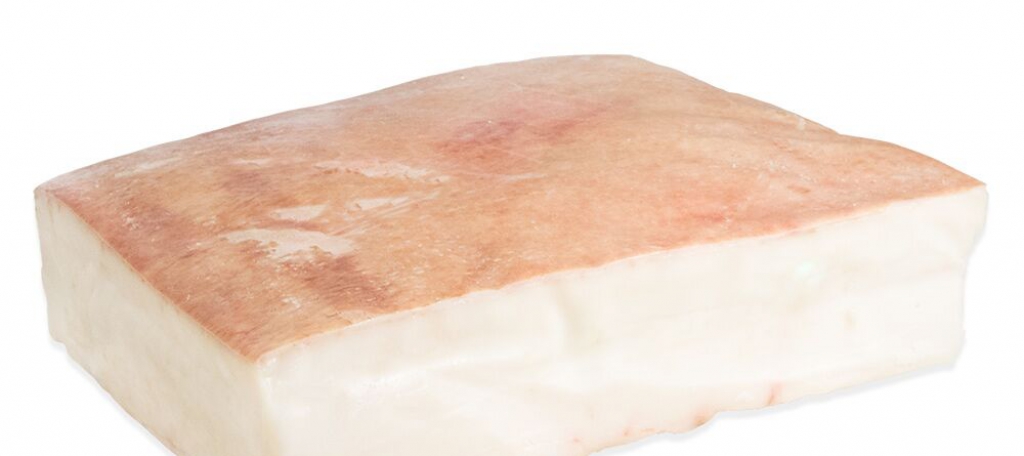
Succulent
Pasture-raised in Spain on a diet of grain, grass, forage and acorns. Protected from the central mountainous region of the Iberian Peninsula, the privileged microclimate in this area with its cold, dry winters and its short, mild summers is an ideal setting for our hams to dry and mature perfectly. In this area, with its unbeatable microclimate, every day hundreds of artisans, who are sons and grandsons of artisans, slowly and masterfully create the Guijuelo Iberian Ham, which is a 'one-of-a-kind in the world.'