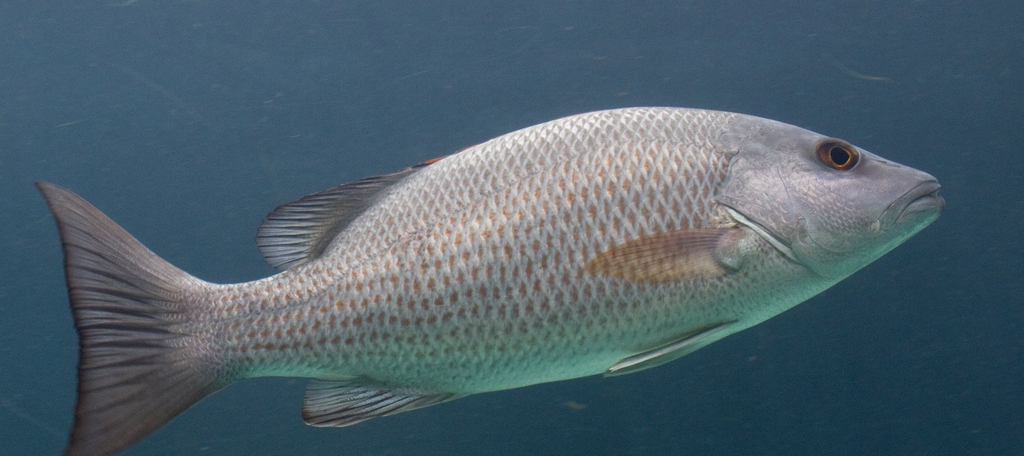
Mangrove Apalachee Bay
Mangrove Snapper is a "locals" favorite in Florida and the Caribbean. Moderately Robust.
Lean, Succulent, Clean
Quick Facts
Commonly Known As:
Grey Snapper, Mango Snapper
-
Species Name
Snapper
-
Latin Name
Lutjanus griseus
-
Origin
Apalachee Bay
-
Harvest Method
Hook & Line
-
Range & Habitat
South Atlantic & Caribbean
-
Producer
St Mark's Fleet

Range & Habitat
St Mark's Fleet
ST. MARK'S FLEET- Just south of Tallahassee, in the heart of Florida’s “Big Bend” region is the port City of St Marks. Just one mile off of the Gulf of Mexico, our Appalachee Bay fishermen offload their prized catch and distribute nationwide next day.
Captains Andy and Johnny are brothers of a family that has fished Apalachee Bay and the Gulf of Mexico for six generations. They both captain a boat in the family’s five boat fleet. The most notable end result of their efforts is the renowned claw of the Florida Stone Crab. However, lest we forget the pristine Gulf Fish Species: Pot Trap Caught Black Sea Bass, Sweetlip Grunts and Octopus; Hooked Red Snapper, Mangrove Snapper, Black Grouper, Scamp Grouper, and Red Grouper. From their family to your staff, they provide one of the best Gulf programs out there.
FISHING VESSELS- Marion J., El Toro
You Might Also Like These
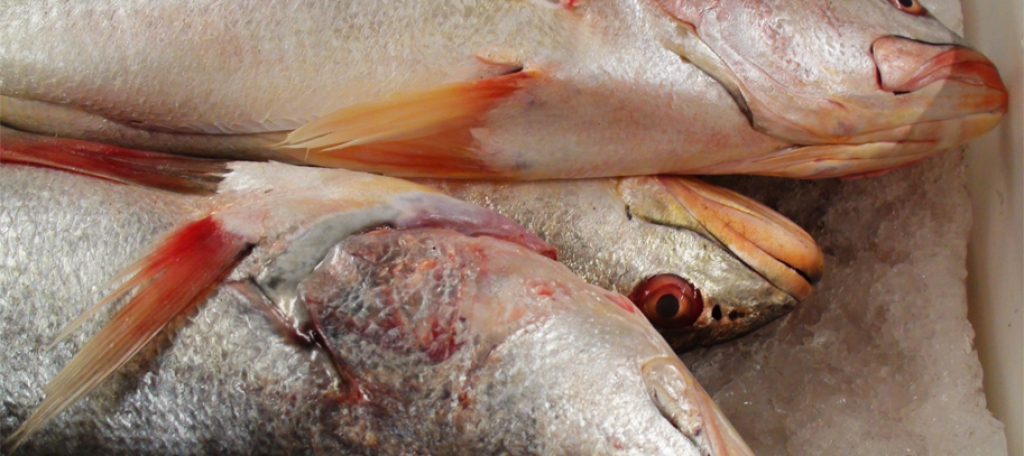
Moist, Large Flake, Mild
Resembling Smaller White Sea Bass, the Corvina has a mild flakey texture. It is a clean and versatile flavor that holds a plethora of application. This is one of the best Ceviche fish on the market, and can be utilized in any large Snapper and Grouper recipe. A leader in profitability, the Corvina taste and presents much more expensive than it is...
Ceviche, Saute, Grill, Broil.
Clean, Firm, Moderate
From whole fish, to wagon wheels, to steak ready loins, this cylindrical body has a great yield. Cutting waste, cutting butcher time, cutting cost. With the firm texture of the flesh, and abundant flavor, Broadbill Swordfish is phenomenal for grilling, light smoking, and broiling. It also caramelizes nicely in a searing application. It holds up fearlessly against powerful “sets” and spices.
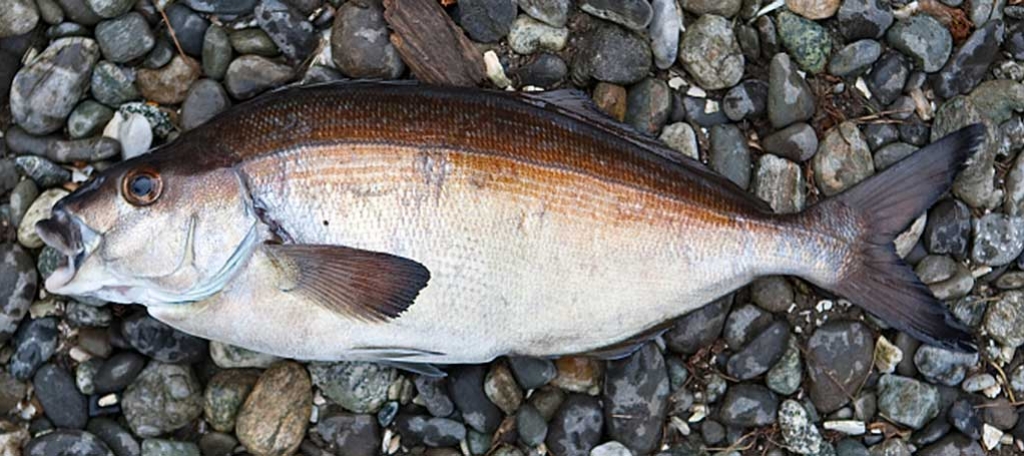
Moist, Flakey, Paper White, Mild
Blue Moki is in the same Family as Trumpeter. Blue Moki has a very moist and light "Sea Bass" flavor and texture. The Blue Moki has all of the culinary applications of Cods, Sea Basses, Snappers, and Sea Breams. It is versatile and appealing in all aspects of dining. From the highest caliber of fine dining to the absolute best fish sandwich available.