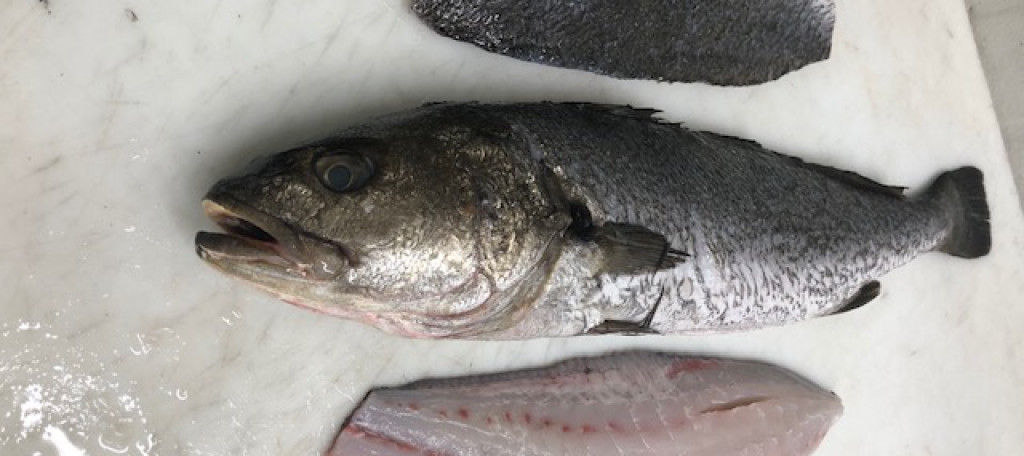
Meagre Suzuki
Wonderful brightness and a great mouth feel when raw.
Clean, Lean, Light
Quick Facts
Commonly Known As:
Meagre, Suzuki, Japanese Sea Bass, Mulloway, Dusky Knob
-
Species Name
Sea Bass
-
Latin Name
Argyrosomus japonicus
-
Origin
Aegean Sea, Turkey
-
Harvest Method
Hand Cultivated
-
Range & Habitat
Europe
-
Producer
SFS Partnership

Range & Habitat
SFS Partnership
SeafoodS.com takes the upmost pride in bringing locally-minded fisheries to your guests. Whether our products are shipped from Fishermen, Ranchers, Foragers, Artisans or Importers, it is our passion to deliver excellent product through perfect service to you and your guests.
You Might Also Like These
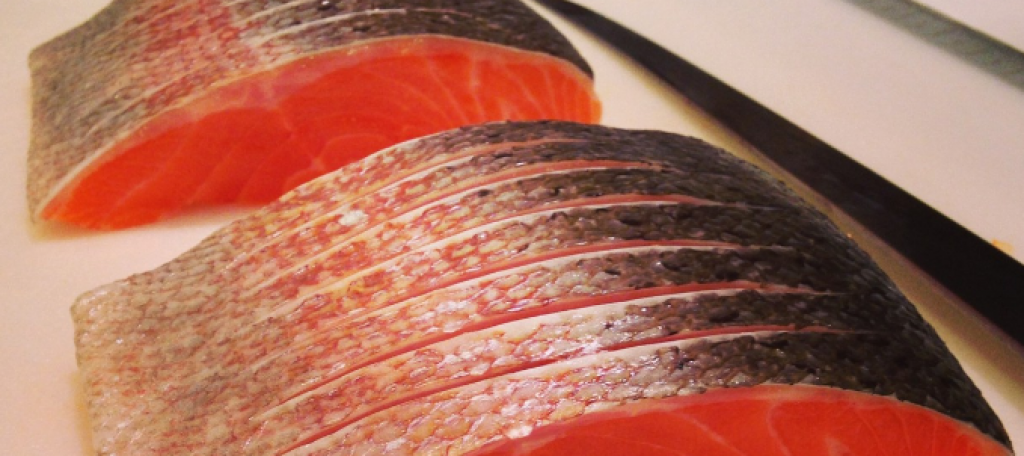
Chefs love our Huon Trout because it is an oiler fish and marbles well. A very nice alternative to salmon and the unique point of difference for that consumer that is chasing a higher level experience. Why 'not all trout is Huon' Ocean Trout: Low Stress: We have some of the lowest stocking densities in the world - with less than 1% ratio of fish to water in the pens. Well Nourished: Our centralised feeding operations/technology (we feed all our pens across our operations from here in the office) allows us to ensure our fish are fed when they are hungry, and feeding it automatically stops when they have had enough (through our own IT developed pellet recognition software - results in minimal environmental impact of fish feed on the sea floor) Raised with Sustainable Practices: Peter and Frances have always taken the view that we've been here for 33 years and if we do not look after the environment - we will not be here for another 33 years. Everything we've done is to ensure the sustainability of our industry. Beautiful marbling of the Huon Ocean Trout creates a rich but smooth flavor and suitable for sashimi or cooked dishes.
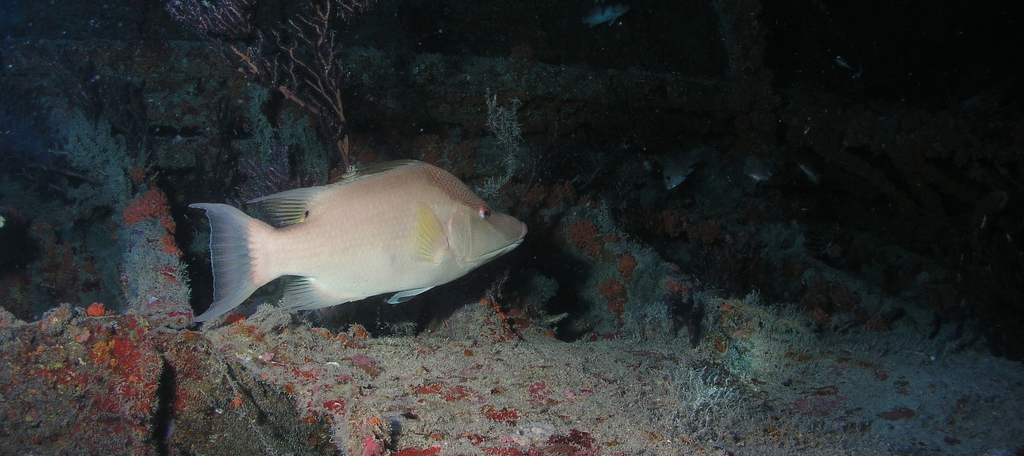
Paper White, Succulent, Sweet, Light
A Hogfish is a Wrasse! Wrasse boasts one of the most delicate and moist flesh in the Florida waters. A species that has adapted a long snout to dig for mollusks in the sand and retrieve shrimps and crabs from within reefs and stone formations on the ocean floor. With a diet of Shellfish, Mussels and Clams, the natural sweetness of its prey lends that characteristic to the flavor of the Hogfish. As most have heard, shrimp contain cholesterol (the good type), the Hogfish has the ability to convert the cholesterol into pure fat that it stores as intramuscular fat. This contributes to moisture and oil in the flesh which translates to a silky and delicate mouth feel. Definitely different for whole fish presentation.
Ceviche, Steam, Saute, Pan Roast.
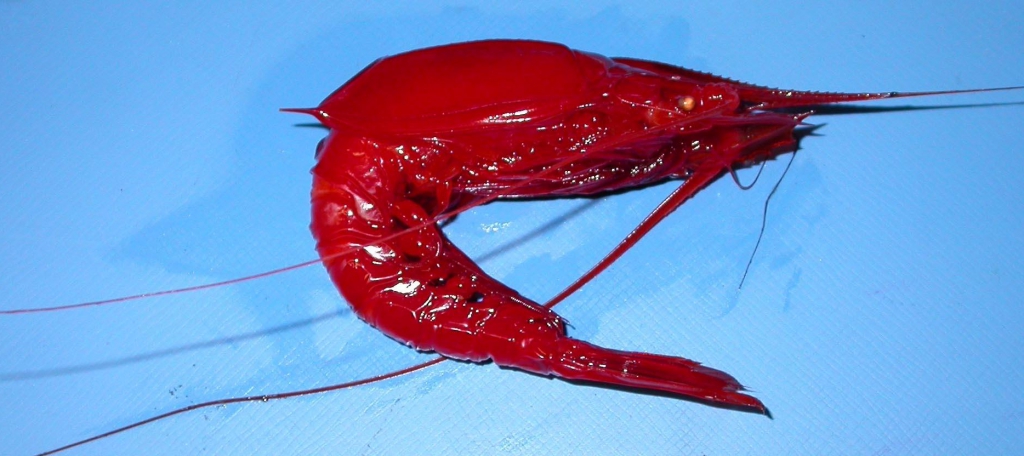
Buttery, Sweet, Delicate, "Snap"
Royal Reds are a deep fathom species that are relatively new to the National Market. The sheer depth has kept the Shrimpers from exploiting the species. They have been celebrated in the local markets for a bit longer and could be regarded a "Best Kept Secret". The Royal Red Shrimp have the "Snap" of White Shrimp with a creamier and sweeter finish.