
Petrale
Quick Facts
-
Species Name
Sole
-
Harvest Method
Hand Cultivated
-
Range & Habitat
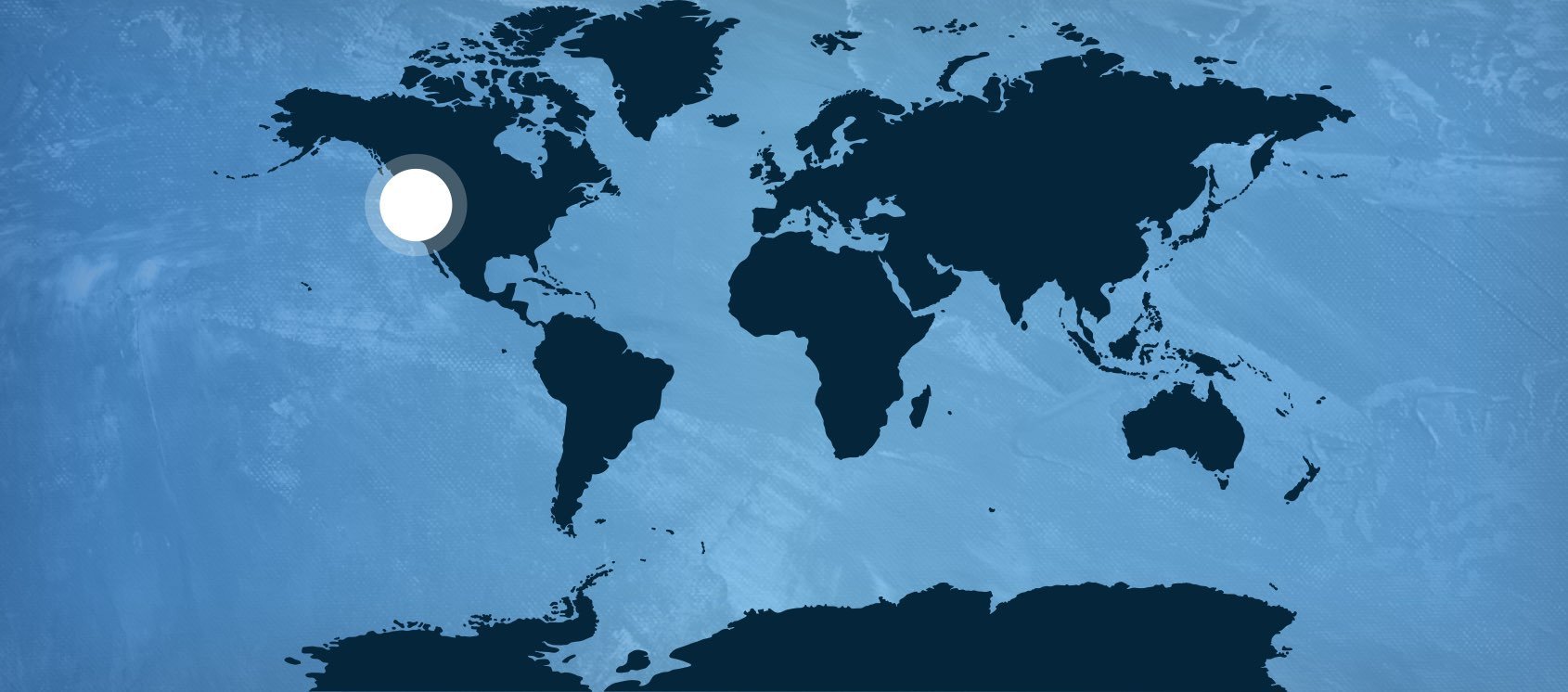
Western United States
-
Producer
Range & Habitat
Sanford Ltd King Salmon
In the southern most inhabited island of New Zealand, Stewart Island, where the water is cool and clean all year round we farm raise Chinook or King Salmon. Our natural breeding program produces eggs that are grown out to young fry at our two hatcheries located on two of the largest and cleanest rivers that have their origins in the snow fed glaciers in the Southern Alps of New Zealand - the Clutha and Waitaki rivers.
King salmon flesh is an attractive dark pink to red colour. Its oil content is higher than any other salmon and it is a rich source of Omega-3 fatty acids.
You Might Also Like These
Petite, Sweet, Buttery
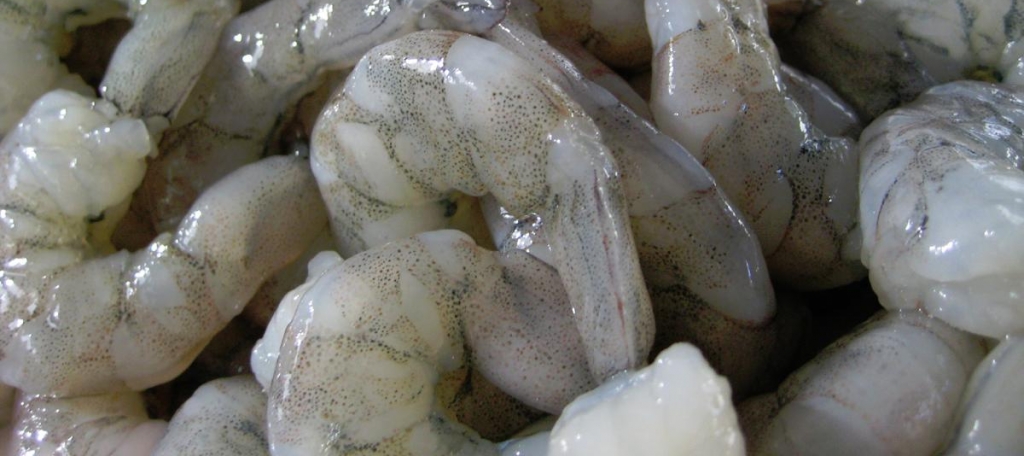
These sweet and buttery shrimp hold up wonderfully to many culinary applications. From quick, high-heat methods to softer poaching and braising. The Laughing Bird Shrimp are "Bay" sized at 61/70 count and are distributed peeled in an 8 lb gallon. That's a labor buster! Ready to cook, and perfectly graded make Laughing Bird one of the most easy to use and elevated shrimp on the market.
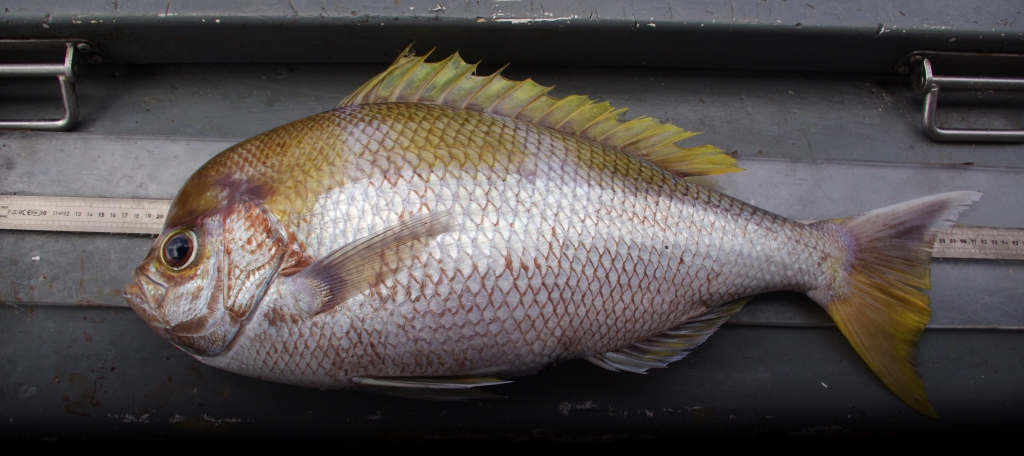
The Bedford Bream are the most abundant of these "Snappers", so for that reason they are much more menu versatile than flashier species. They have a beautiful white translucent flesh which cooks up very nicely, with a firm flake and texture in the mouth. The excellent quality, sweet flavor, and value, all combine to make our clients sit up and take notice!
Flaky, Moist
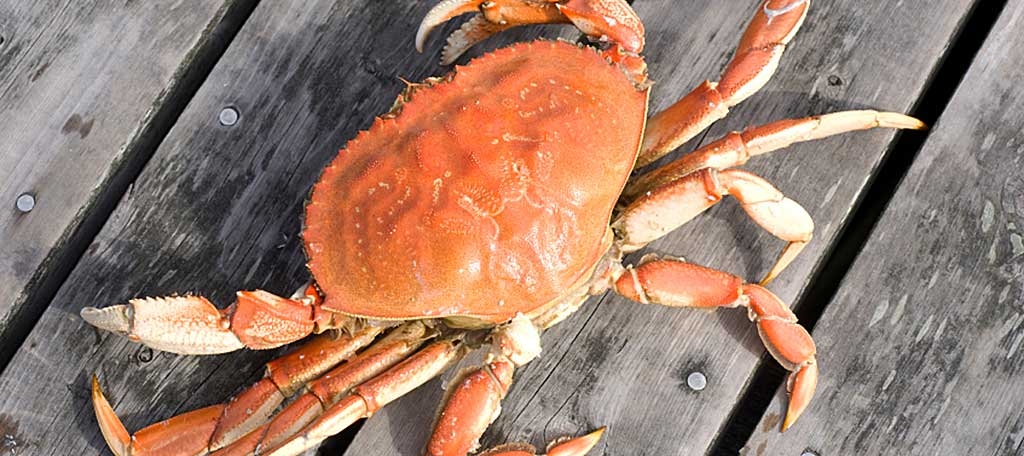
The Common Name Dungeness comes from the town of Dungeness, Washington where the Crab was first commercially harvested. The Dungeness can be utilized from Whole "Crab Crackings" over beers, or served in the most upscale venues paired with Champagne. The applications are endless and a money maker in their own rite.