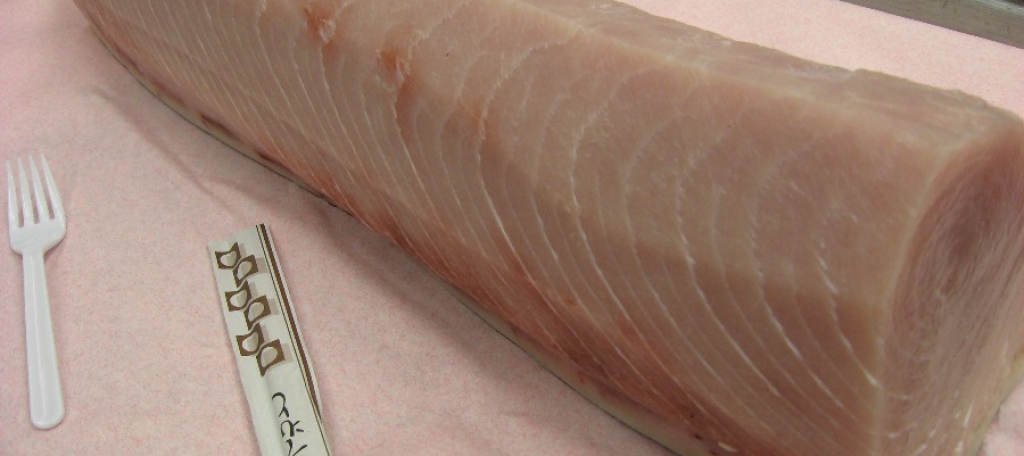
Shutome Hawaiian
Uniform steak cut. From receiving, it lends itself to a great butchering aspect.
Clean, Firm, Moderate
Quick Facts
Commonly Known As:
Shutome, Mekajiki, A'u
-
Species Name
Swordfish
-
Latin Name
Xiphias gladius
-
Origin
Hawaii & Open Pacific
-
Harvest Method
Hook & Line
-
Range & Habitat
Southern Pacific & Hawaii
-
Producer
The Hawaiian Fleet
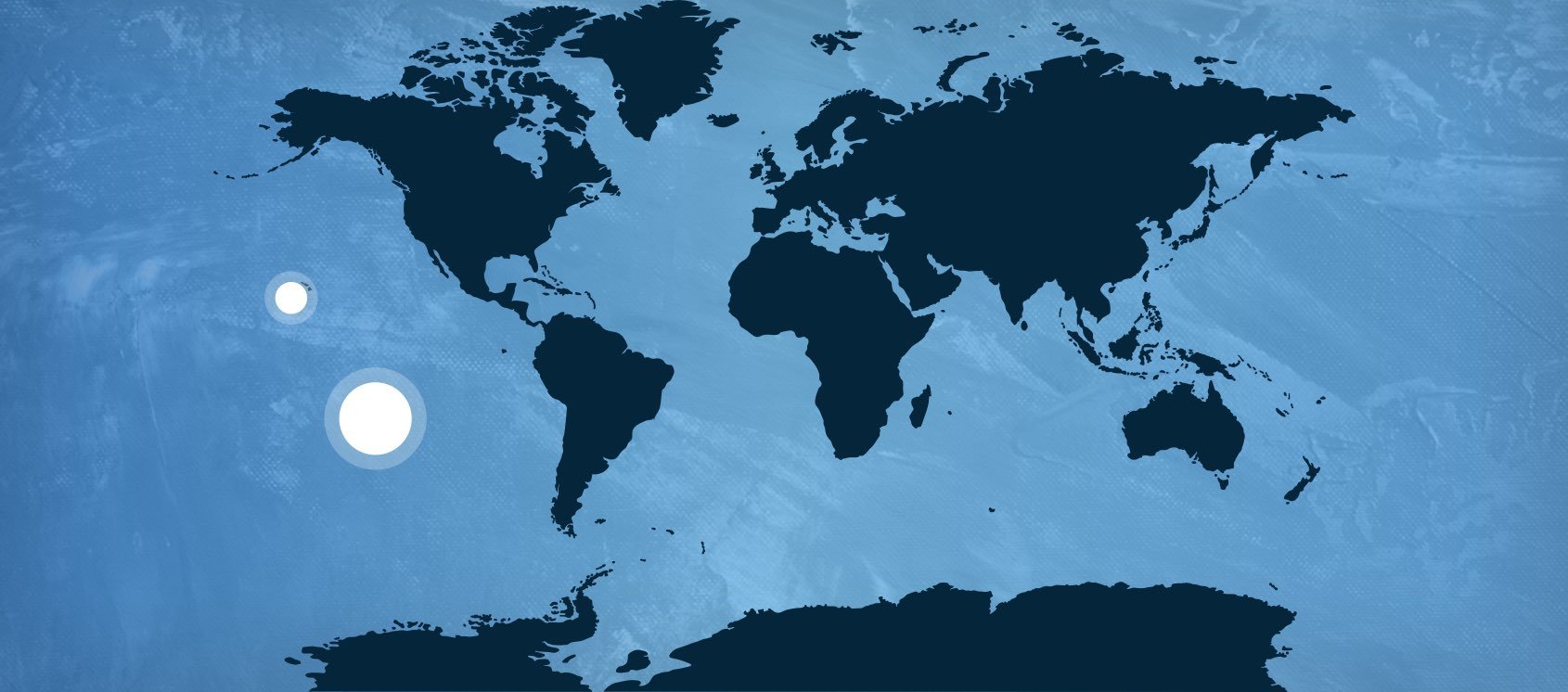
Range & Habitat
The Hawaiian Fleet
Hawaii's Market is unique; boats fishing local waters bring their bounty in to be offloaded into Hawaii's auction, "United Fishing Agency Auction." Hawaiian auction bidders know their favorite boats, handling practices and ordering days. Each buyer takes their prized winning bid back to the plant each day and grades it for national distribution next day.
You Might Also Like These
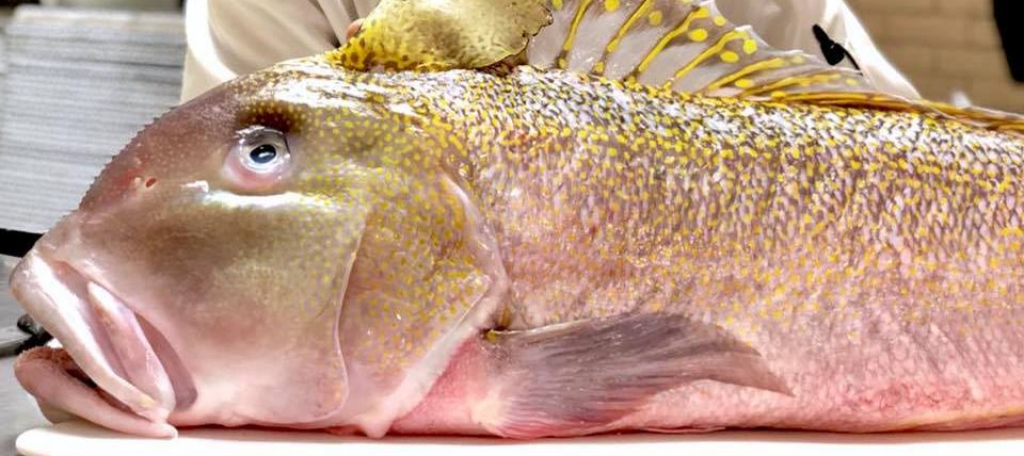
Paper White, Sweet, Flakey, Mild
Golden Tilefish grow quite large, with market sizes ranging from 10-20 lbs. They produce a beautiful "Baseball" cut with a gorgeous yellow dotted edible skin. Golden Tilefish feed almost exclusively on Crab, Shrimp, Clams, and other shellfish. This translates to a very sweet and moist flesh that cooks to a paper white. The cooked flesh flakes to a large, almost crab like, piece. Perfect for almost any cooked preparation. Saute, Broil, Grill, Pan Roast.
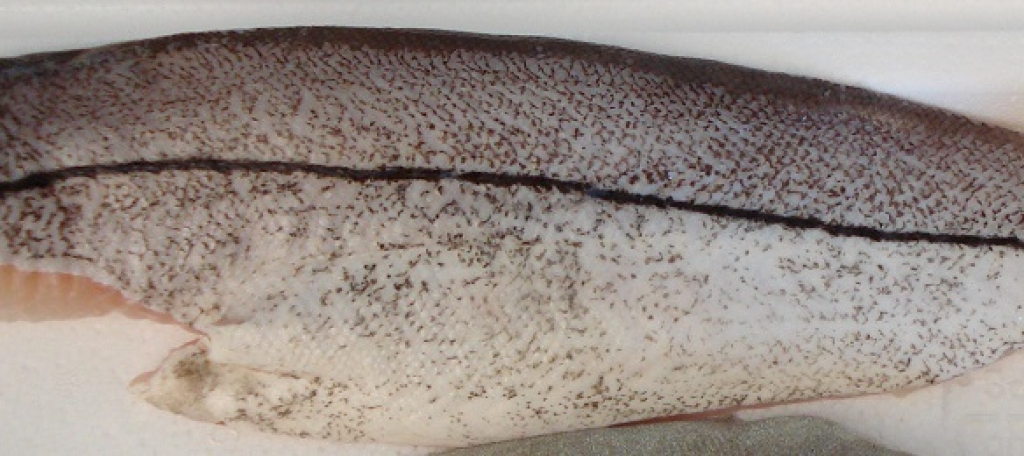
White, Light, Moist, Flakey
Haddock is a great substitute for Atlantic Cod. The flavor is a bit more complex with all of the sweetness of Cod and a bit of "Ocean" flavor to set it apart. Haddock has a dark lateral line with a dark spot near the tail, (The Devil's Thumbprint). Pan Roast, Broil, Fry, Saute, Poach.
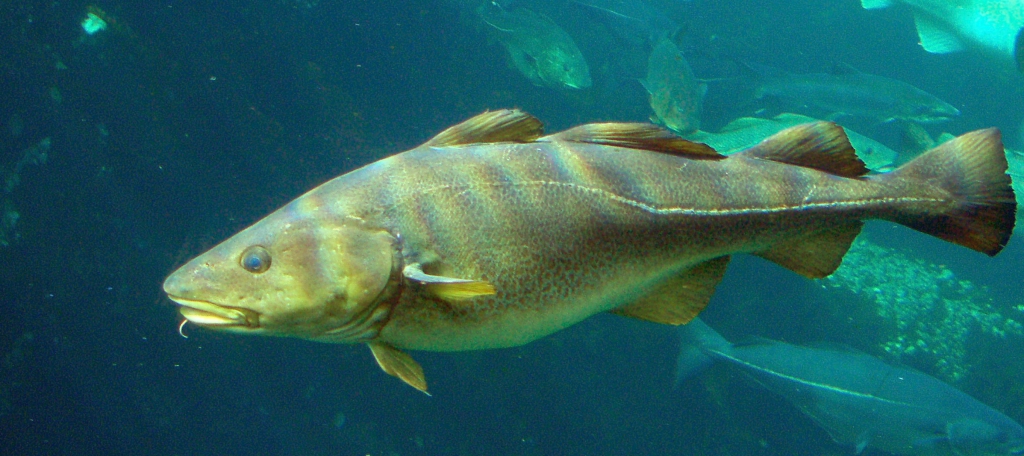
Delicate, Clean, Fresh
Known as “the Norwegian Miracle,” the name “Skrei” comes from old Norse word for “the wanderer.” Thought to be one of Norway’s first exports, its annual arrival enabled people to inhabit far north areas of Norway when other food wasn’t available. Today, Skrei comes from one of the world’s largest and most sustainably managed cod stocks. Only 10% of over 400 million migrating cod are caught and branded Skrei. In Norway, it’s also known as the “Valentine’s Fish” as a Skrei has prepared its whole life to make the journey to meet its mate at the spawning grounds where it’s caught. To be certified Skrei, Norwegian cod must be caught, packed and processed in accordance with Skrei's strict quality standard.