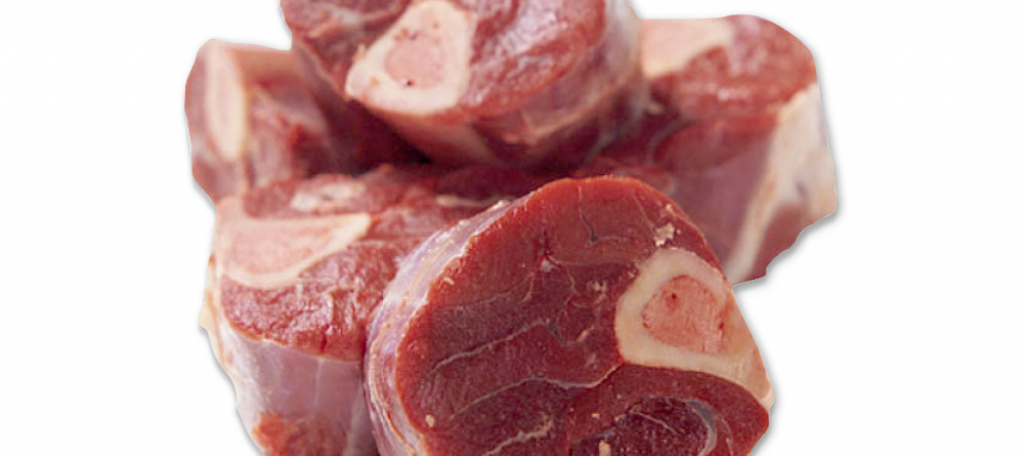
Untethered Veal
Tender veal from humanely-raised calves.
Tender, Juicy, Flavorful
Quick Facts
Commonly Known As:
Veal
-
Species Name
Veal
-
Latin Name
Bos taurus
-
Origin
Canada
-
Harvest Method
Pastured
-
Range & Habitat
Canada
-
Producer
Le Quebecois Veal

Range & Habitat
Le Quebecois Veal
Le Québécois Farmers follow the European Model
THE FIVE FREEDOMS
1. Freedom from Hunger & Thirst
Le Québécois calves eat well! Their diet consists of natural foods that promote growth, strength, and good health. the mixture of corn, other healthy grains, milk, and unlimited fresh water promotes natural digestion and ruminant behavior.
2. Freedom from Discomfort
Le Québécois calves socialize with adequate space, move freely, and groom themselves in their multi-animal corrals. Le Québécois barns provide constant air circulation while maintaining a comfortable temperature. The barns utilize natural sunlight through large windows, a feature that promotes natural behavior and well-being.
3. Freedom from Pain, Injury, & Disease
Le Québécois farmers make stress-minimization their top priority by adhering to a strict production and welfare code. Le Québécois barns and feeding programs are meticulously designed to diminish stress and discomfort for the calves.
4. Freedom to Express Normal Behavior
The Le Québécois feeding program allows calves to naturally develop their rumen and express their natural chewing instinct. The multi-calf corrals allow for social interaction, and freedom of movement.
5. Freedom from Fear & Distress
The Le Québécois Veal program meets the handling and welfare requirements of the Food and Agriculture Organization of the United Nations ( FAO) and the World Organization for Animal Health (OIE). Those requirements provide the protocol for humane conduct that promotes the safety, health, and well-being of our calves at every point of the growth cycle.
You Might Also Like These
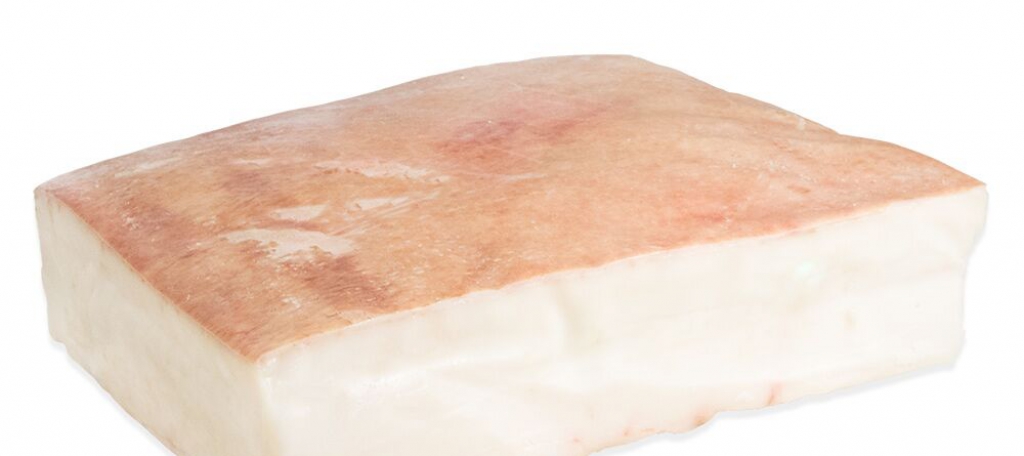
Succulent
Pasture-raised in Spain on a diet of grain, grass, forage and acorns. Protected from the central mountainous region of the Iberian Peninsula, the privileged microclimate in this area with its cold, dry winters and its short, mild summers is an ideal setting for our hams to dry and mature perfectly. In this area, with its unbeatable microclimate, every day hundreds of artisans, who are sons and grandsons of artisans, slowly and masterfully create the Guijuelo Iberian Ham, which is a 'one-of-a-kind in the world.'
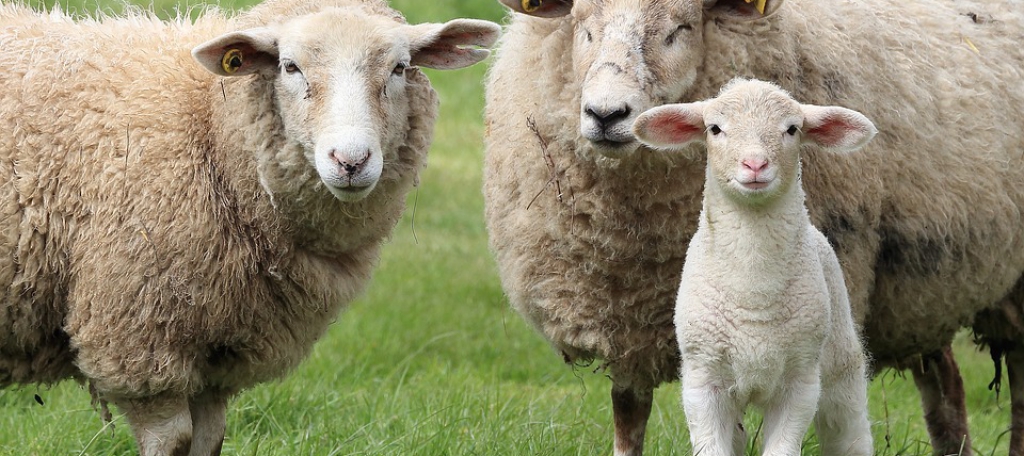
Mild, Tender
Every bite of Chiappetti American lamb is mild-flavored and tender, because our lambs are expertly grain-finished on a special blend of cereal grains, such as Midwestern-raised corn and oats. This extra step produces USDA Choice-graded lamb your entire family will love.
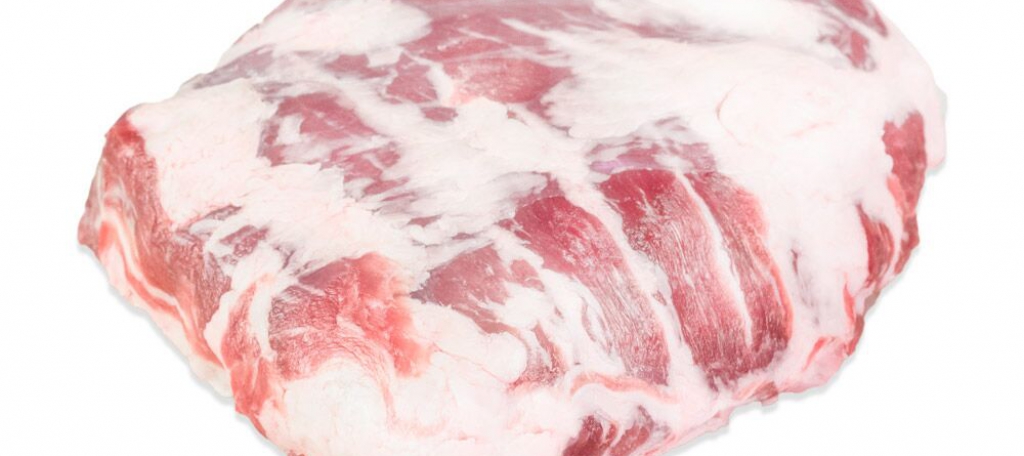
Fat, Extra Creamy, Sweet
Legendary Iberico pork made even better on a diet of foraged acorns that make the fat extra creamy and sweet - the best of the best! Protected from the central mountainous region of the Iberian Peninsula, the privileged microclimate in this area with its cold, dry winters and its short, mild summers is an ideal setting for our hams to dry and mature perfectly. In this area, with its unbeatable microclimate, every day hundreds of artisans, who are sons and grandsons of artisans, slowly and masterfully create the Guijuelo Iberian Ham, which is a 'one-of-a-kind in the world.'