
Albacore New Zealand
A very fresh, lightly-colored Tuna with moderate flavor.
Crisp, Light, Clean
Quick Facts
Commonly Known As:
Tombo Ahi, Longfin Tuna, Longfin Tunny
-
Species Name
Tuna
-
Latin Name
Thunnus alalunga
-
Origin
Continental Shelf New Zealand
-
Harvest Method
Hook & Line
-
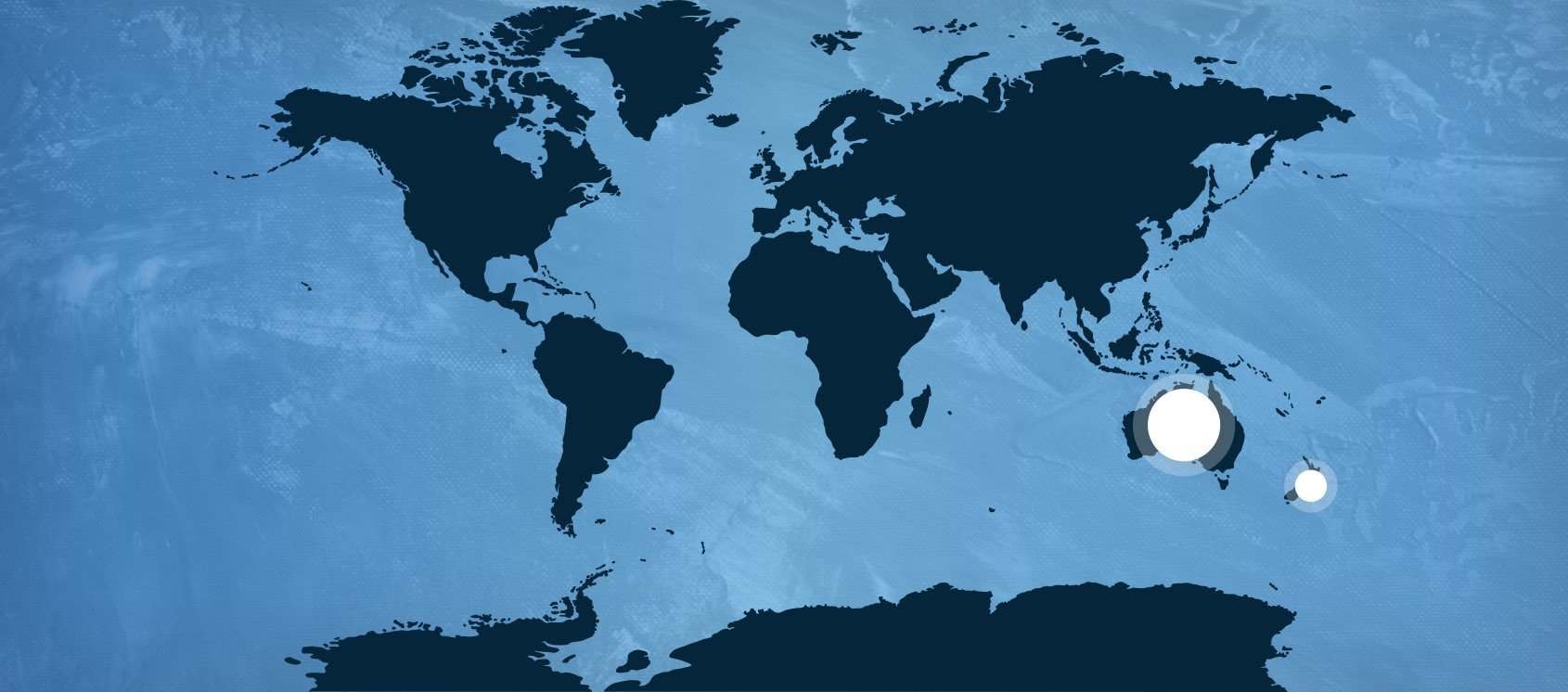
Range & Habitat
New Zealand & Australia
-
Producer
Range & Habitat
Leigh Fisheries
LEIGH FISHERIES- The Lee Fish brand is recognized around the world as a prime source for premium-quality chilled seafood. Leigh's boats fish only inside New Zealand's clear, pristine, regulated waters.
FISHING VESSELS- In total, there are 53 independent boats fishing for Leigh Fisheries on a permanent basis. These vessels unload at 14 different ports throughout the North Island and comprise of the following:
- 12 Lobster (Crayfish) boats.
- 20 Long line (day) boats fishing for Snapper and various bi-catch.
- 6 Danish Purse Seiners fishing for Snapper and John Dory.
- 5 Long line boats fishing for Bluenose and Groper.
- 6 Surface long line Tuna boats fishing for Southern Bluefin Tuna and Swordfish
- 4 Gillnet boats fishing for Mullet and Flounder.
You Might Also Like These

Mild, Clean, Fluffy, Sweet
A Sea Bream in the Porgy realm. Scup, Tai, Tarakihi, and Grunts all have similar body structure, texture, and flavor profiles. The Sea Bream is a vast Falmily of Fish that are great menu features the world over. Sea Bream are perfect for your favorite Snapper and Flounder recipes. A light "Fluffy" texture are perfect for the novice and adept seafood lovers alike.
Saute, Broil, Fry, Poach.

Lean, Light, Mild, Sweet
Snowy Grouper are very similar to Black Grouper in taste, texture, and market size. They have a very pronounced flavor that is a bit more complex than Black and Scamp. They cook to a brilliant White and are very Lean and Flakey. They hold up to many culinary techniques and applications.
Ceviche, Saute, Pan Roast, Grill.
Other Names: The name "Dover" comes from the southeastern English port of Dover, which landed the most sole in the 19th Century. That being said, don't confuse European Dover sole with America's West Coast Dover sole; They are not the same fish.