
Atlantic Faroe Island
Faroe Island Salmon is one of the world's best choices for aqua-culture seafood.
Rich, Buttery, Flakey, Silky
Quick Facts
Commonly Known As:
Sea Salmon
-
Species Name
Salmon
-
Latin Name
Salmo salar
-
Origin
Faroe Islands, Denmark
-
Harvest Method
Hook & Line
-
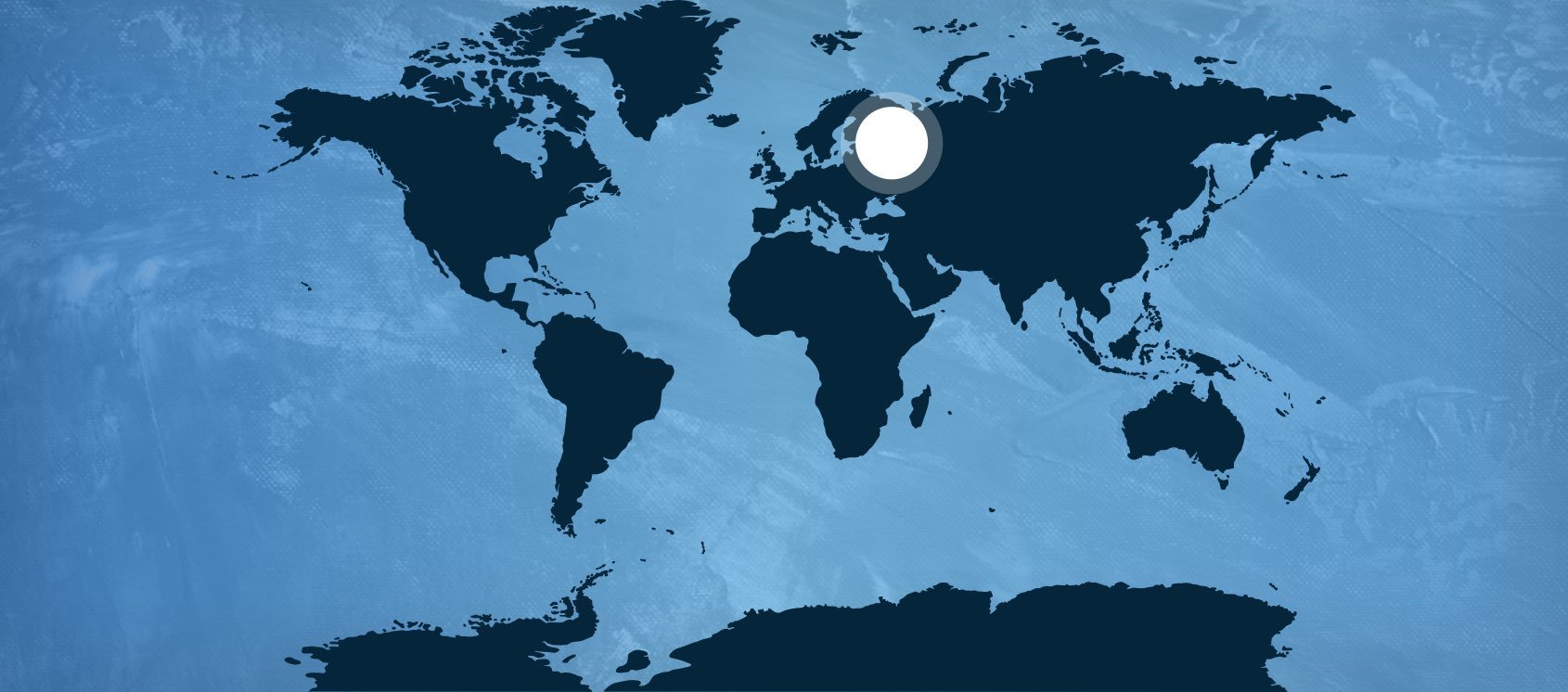
Range & Habitat
Europe
-
Producer
Faroe Island Fisheries
Range & Habitat
Faroe Island Fisheries
The focus will be on providing the highest quality salmon in the world. Faroe Island Salmon are stringently monitored and improved on by constant research and systems development. FIF has implemented the first ever “Stun & Bleed" Systems to ensure the salmon begin processing in the most humane nature possible.
You Might Also Like These
Flaky, Moist
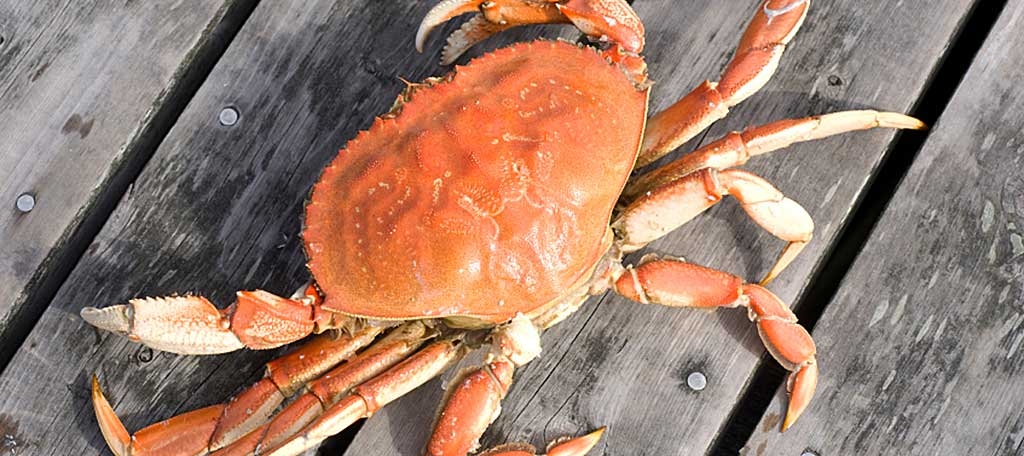
The Common Name Dungeness comes from the town of Dungeness, Washington where the Crab was first commercially harvested. The Dungeness can be utilized from Whole "Crab Crackings" over beers, or served in the most upscale venues paired with Champagne. The applications are endless and a money maker in their own rite.
Creamy, Delicate, Complex, Earthy
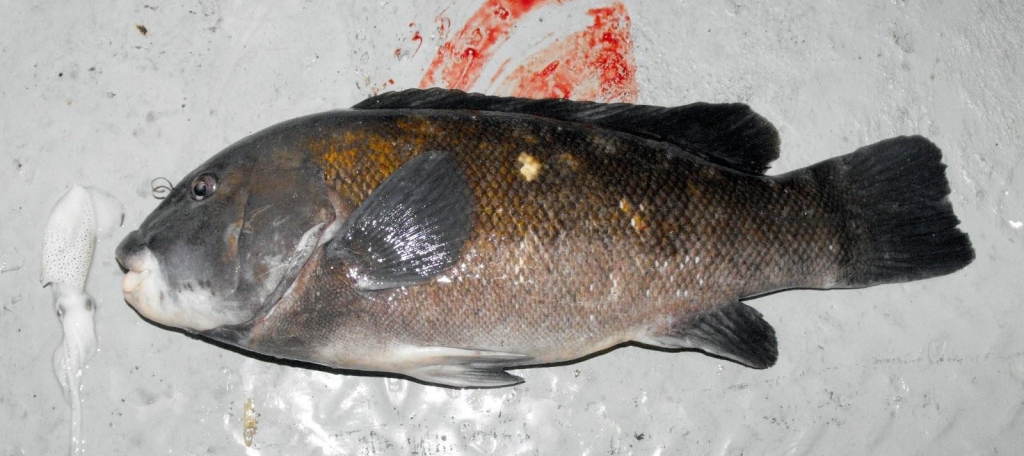
Tautog is a delicious food fish; the flesh is off-white and firm-textured. The flavor is mild, but distinctive -- often compared to Red Snapper.
Creamy, Delicate, Moist
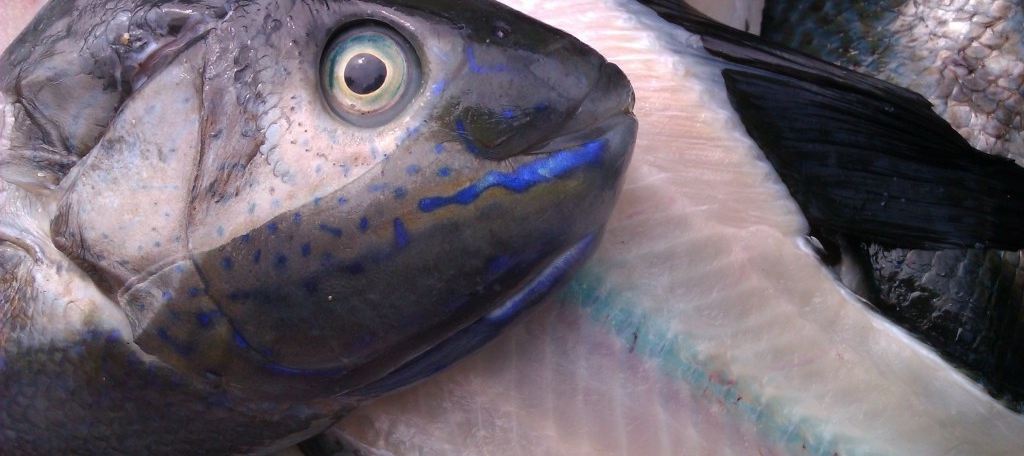
This fish is not related to the Warehou species or other members of the Centrolophidae family which are called Butterfish in Japan. It is also not related to Walu or Escolar that is sometimes marketed as Butterfish in Hawaii. This is the real Butterfish, truly worthy of its name. Very Rich and Delicate! Poach, Saute, Broil, Steam.