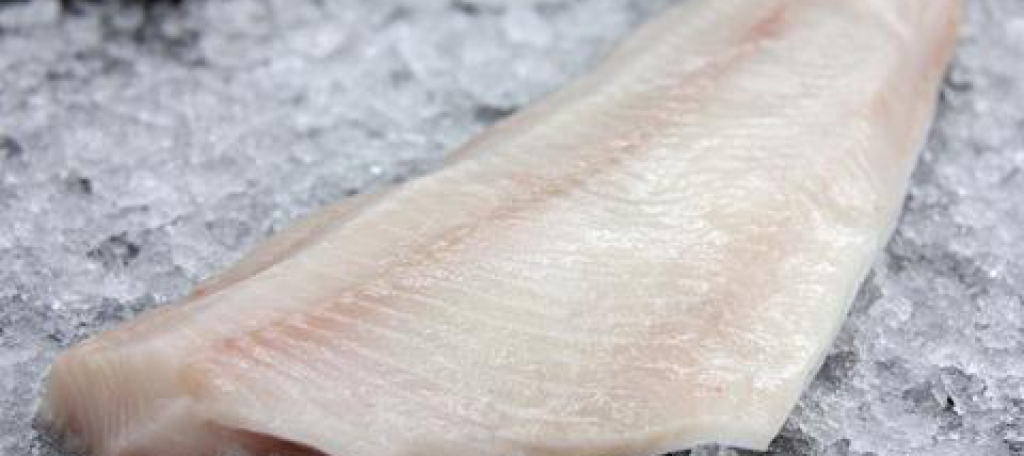
Black Sablefish
Any fish that are not "straight", have severe skin abrasions, abnormal structure, or colour, are not selected and go to another grade. Quality control is done weekly to ensure flavour, clean flesh, and flesh consistency.
Delicate, Firm, Exquisite
Quick Facts
Commonly Known As:
Gindara Sablefish, Black Cod
-
Species Name
Cod
-
Latin Name
Anoplopoma fimbria
-
Origin
West Coast of Canada
-
Harvest Method
Net Caught
-
Range & Habitat
Canada
-
Producer
Gindara

Range & Habitat
Gindara
Gindara is a partnership for community. The Kyuquot/Checleset First Nation granted permission to operate in its territory 20 years ago. Recognizing and ensuring the environmental stewardship of its territory, Gindara has become the largest employer in the Kyuquot/Checleset community. Not just providing a job, but an opportunity for the future of its people, within their traditional territory.
Cultured on the West Coast of Canada, Gindara's pristine ocean currents are not influenced by the use of antibiotics or other chemicals. Gindara Sablefish is native to its environment and live in very low densities in harmony with nature, not bringing excess or pressure to its balance.
Gindara is 20 years of passion for Sablefish in the environment. Gindara Sablefish prefer to spend their lives in deepwater, away from parasites like sea-lice. Deep fjords provide powerful currents to exchange nutrients and oxygen. Egg to plate traceability ensure Gindara Sablefish adheres to the Green Rated production methods of the Seafood Watch program for sustainable seafood.
You Might Also Like These
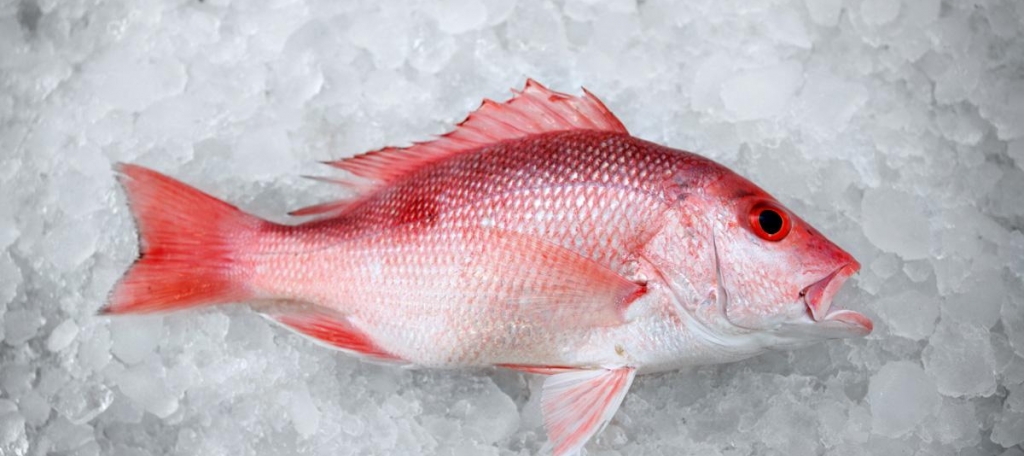
Clean, Light, Flakey
The Red Snapper is member of the Lutjanidea or Snapper Family, which are known in English as Snappers, and in Mexico as Pargo and Huachinango. A highly-prized game fish, the Red Snapper is distinguished by an overall bright red or sometimes a dark pink color, predominant on the head, back, and all fins, which gradually turns into white with a silvery sheen on the lower part of the body. It has a relatively "smooth" and streamlined appearance, as compared to most other Snappers.
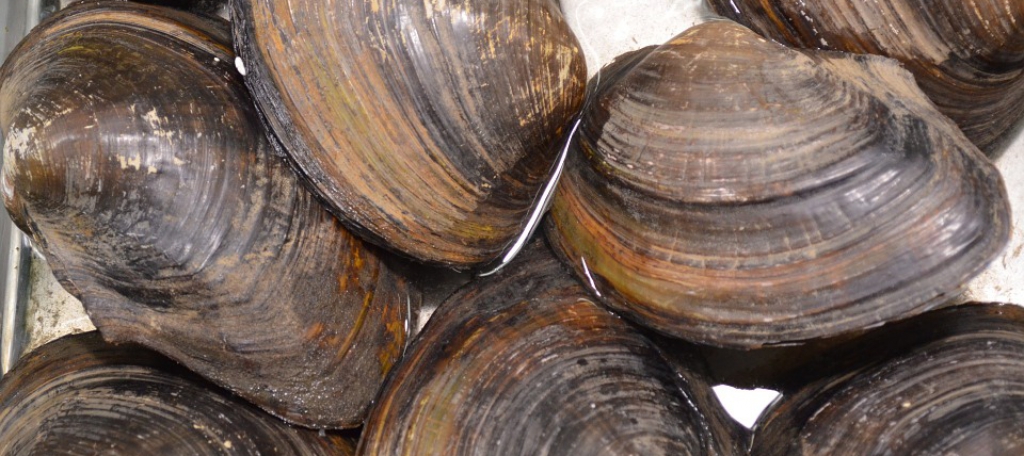
Flavorful, Textural, Briny
Careful handling is a must with "Steamers". The shells are brittle and can be broken with your fingers. The Clam can be cooked whole as normal and can be served cleaned or whole. Steam, Fry, Saute.
Located in the Australian sub-Antarctic territory around Heard Island, a staggering 4,109 km from mainland Australia, Fiftyone Glacier inches into the surrounding icy waters of the storm tossed Southern Ocean. It is this extraordinary environment that is home to the highly prized Patagonian Toothfish