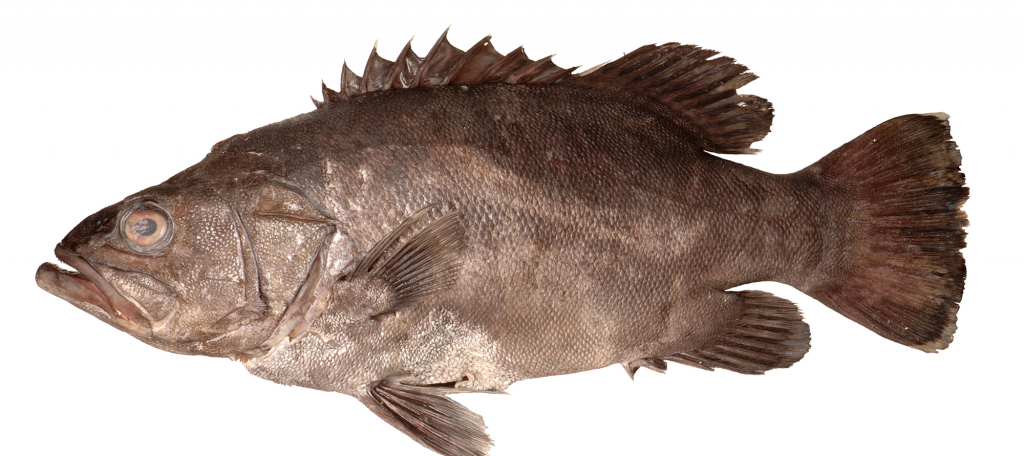
Groper Hapuku NZ
Grouper-like with larger flake and a Cod-like moisture.
Sweet, Light, Creamy
Quick Facts
Commonly Known As:
Groper, Bass Gropers, Wreckfish
-
Species Name
Stone Bass
-
Latin Name
Polyprion oxygeneios
-
Origin
New Zealand
-
Harvest Method
Hook & Line
-
Range & Habitat
New Zealand & Australia
-
Producer
New Zealand Seafood Import
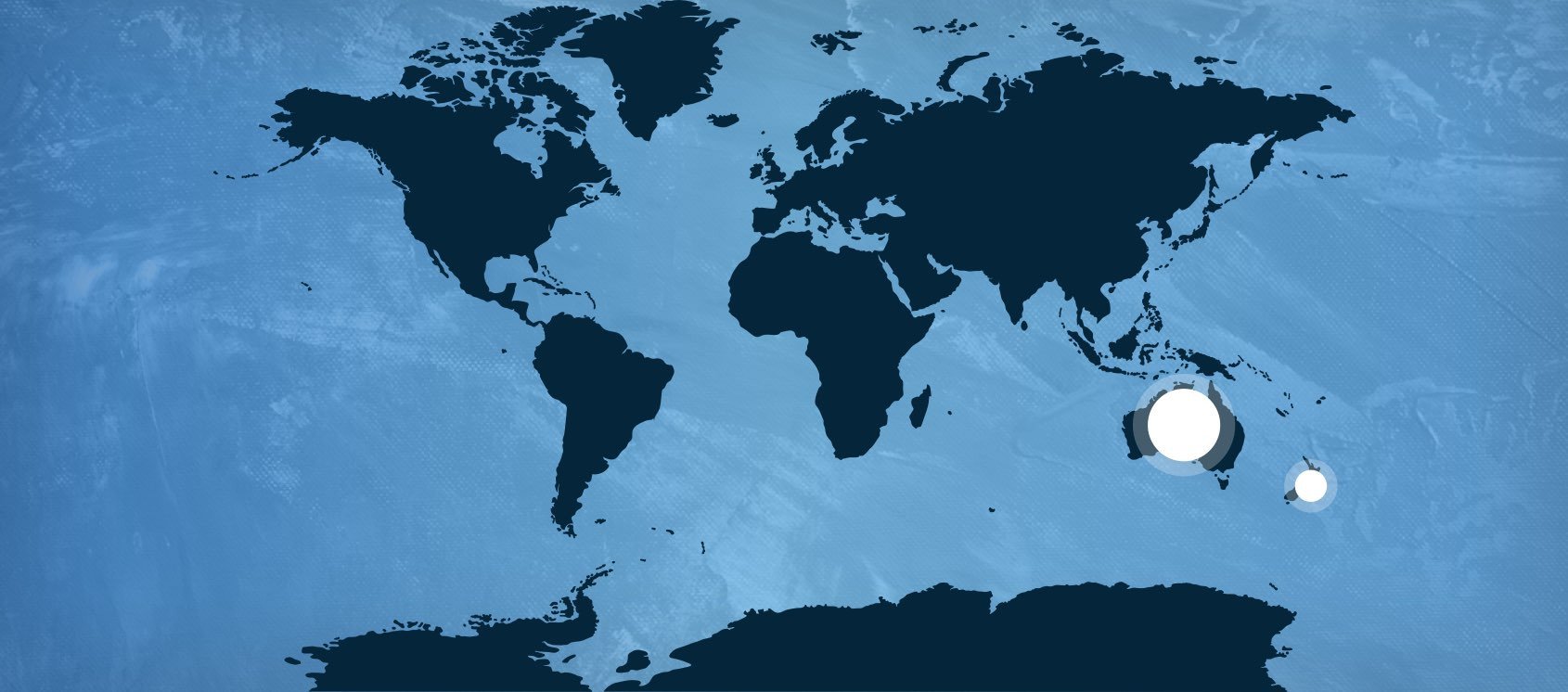
Range & Habitat
New Zealand Seafood Import
From the tightest fisheries management available, our New Zealand Seafood Import specialties offer some of the freshest direct seafood. The ideals of the New Zealand Fisheries carry throughout the program.
From the Fishery:
To us, sustainable fishing, farming, processing, and sourcing means:
Our fish always comes from well-managed fisheries, or those with Fisheries Improvement Plans in place with healthy stocks. We continue to undertake research to ensure we manage fisheries with the best practices and quality of scientific information available.
The methods we use to fish and farm are aimed to reduce unintended impacts. This means ensuring we utilize the fish we catch, avoid significant negative impact on young fish or their habitat and develop the best practices to reduce the risk of bycatching marine animals and seabirds.
We make sure we minimize impacts on any endangered or threatened species by using technology, research, and mitigation programs, as well as supporting protection areas.
We trace our products from boat to plate.
You Might Also Like These
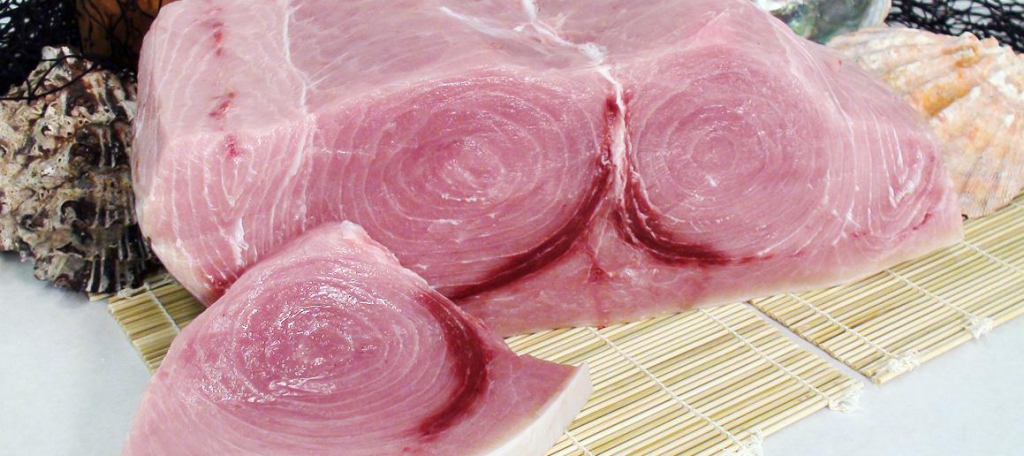
Clean, Firm, Moderate
From whole fish, to wagon wheels, to steak ready loins, this cylindrical body has a great yield. Cutting waste, cutting butcher time, cutting cost. With the firm texture of the flesh, and abundant flavor, Shutome is phenomenal for grilling, light smoking, and broiling. It also caramelizes nicely in a searing application. It holds up fearlessly against powerful “sets” and spices.
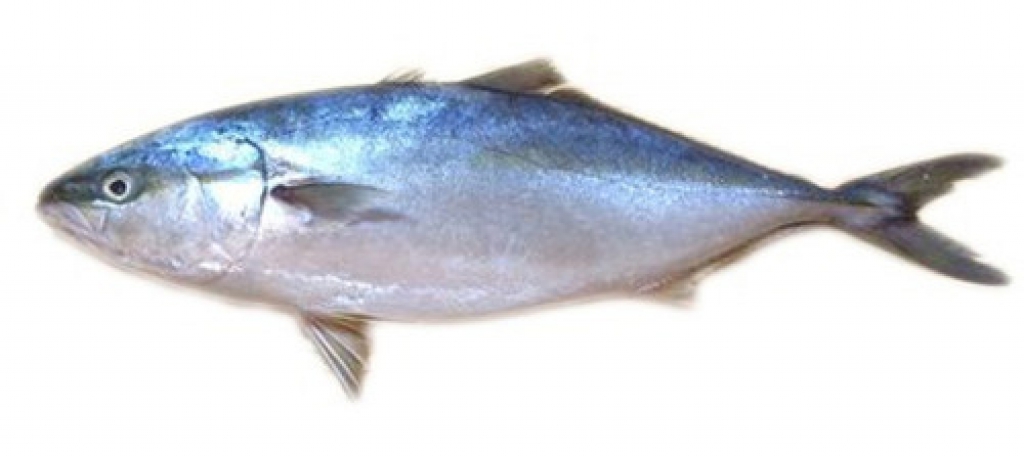
White, Tender, Smooth
Yellowtail, as it has generally come to be accepted now, refers to a type of sturdy ocean fish in the jack family, or Carangidae. Jacks, including amberjack and pompano, can be strong-tasting, but yellowtail jack tends to be more delicate. In Japanese, its hamachi, a favorite of the sushi bar. Most hamachi or yellowtail is farm-raised in Japan and imported, usually frozen, in fillet form. The Japanese variety called hamachi has light golden flesh and may display a dark streak along the edge of a fillet, a characteristic of the two-toned musculature of fish that cruise the open seas. The area around the pectoral fins is considered the tastiest part and is often set-aside for special customers. Some sushi bars grill the skeleton and the bits of meat left on it and serve it as an appetizer or snack. Because there is a kind of tuna called yellowfin, some chefs seem to think that hamachi or yellowtail is also a tuna.
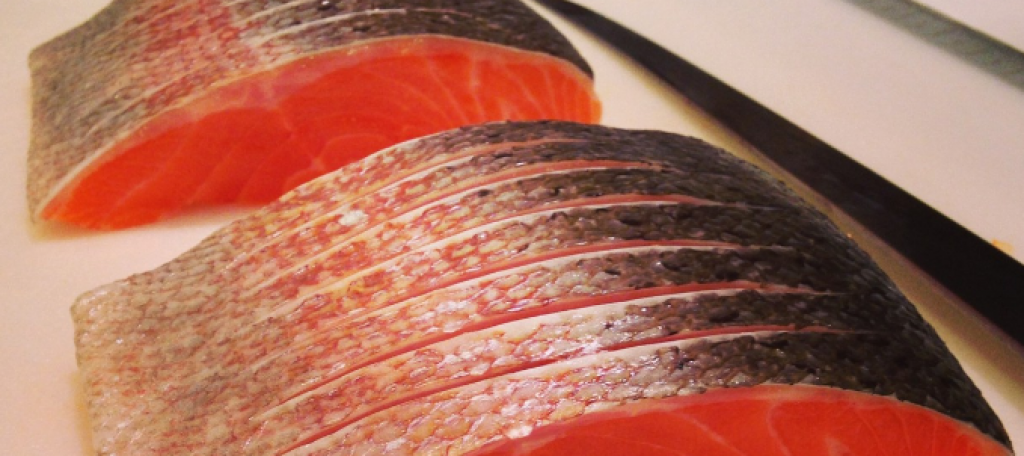
Chefs love our Huon Trout because it is an oiler fish and marbles well. A very nice alternative to salmon and the unique point of difference for that consumer that is chasing a higher level experience. Why 'not all trout is Huon' Ocean Trout: Low Stress: We have some of the lowest stocking densities in the world - with less than 1% ratio of fish to water in the pens. Well Nourished: Our centralised feeding operations/technology (we feed all our pens across our operations from here in the office) allows us to ensure our fish are fed when they are hungry, and feeding it automatically stops when they have had enough (through our own IT developed pellet recognition software - results in minimal environmental impact of fish feed on the sea floor) Raised with Sustainable Practices: Peter and Frances have always taken the view that we've been here for 33 years and if we do not look after the environment - we will not be here for another 33 years. Everything we've done is to ensure the sustainability of our industry. Beautiful marbling of the Huon Ocean Trout creates a rich but smooth flavor and suitable for sashimi or cooked dishes.