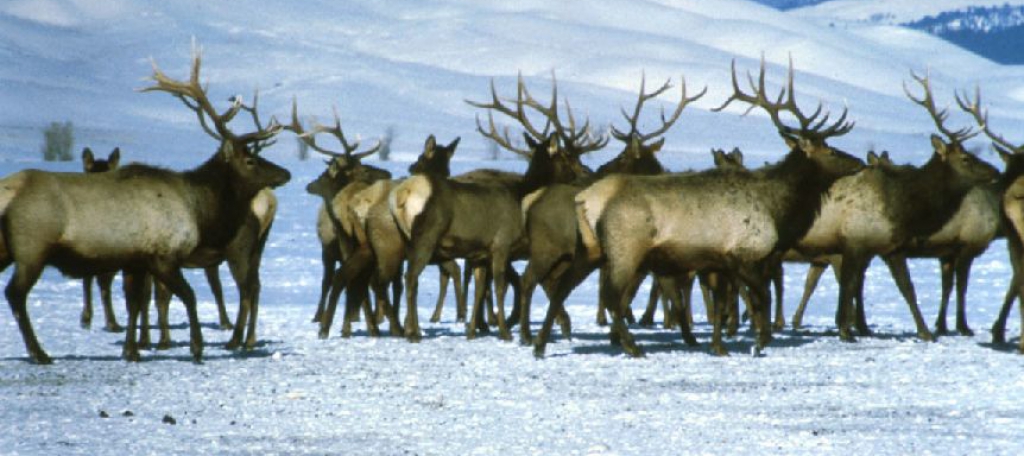
New Zealand Wapiti
Lean with pronounced, earthy flavor.
Lean, Flavorful, Clean
Quick Facts
Commonly Known As:
North American Elk, Wapiti
-
Species Name
Elk
-
Latin Name
Cervus canadensis
-
Origin
New Zealand
-
Harvest Method
Pastured
-
Range & Habitat
New Zealand & Australia
-
Producer
SFS Partnership

Range & Habitat
SFS Partnership
SeafoodS.com takes the upmost pride in bringing locally-minded fisheries to your guests. Whether our products are shipped from Fishermen, Ranchers, Foragers, Artisans or Importers, it is our passion to deliver excellent product through perfect service to you and your guests.
You Might Also Like These
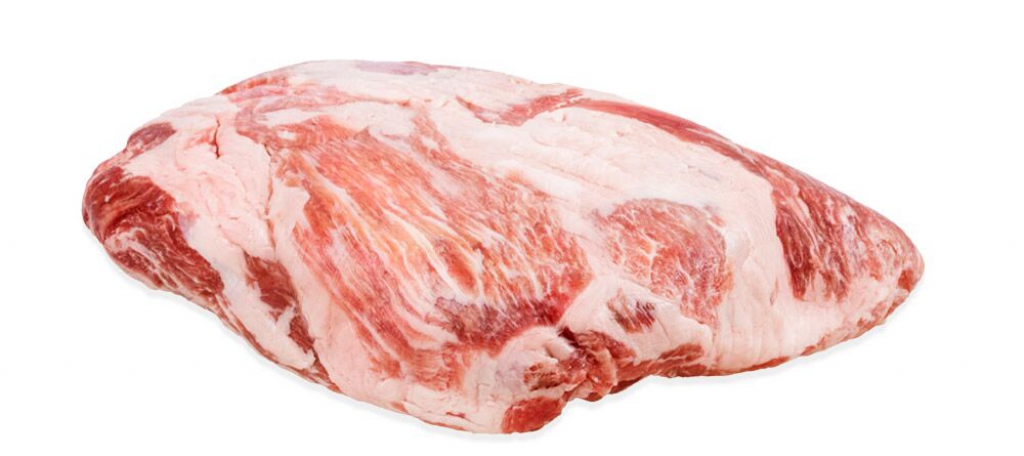
Succulent
Pasture-raised in Spain on a diet of grain, grass, forage and acorns. Protected from the central mountainous region of the Iberian Peninsula, the privileged microclimate in this area with its cold, dry winters and its short, mild summers is an ideal setting for our hams to dry and mature perfectly. In this area, with its unbeatable microclimate, every day hundreds of artisans, who are sons and grandsons of artisans, slowly and masterfully create the Guijuelo Iberian Ham, which is a 'one-of-a-kind in the world.'
The White Pheasant boasts a remarkable yield that is sure to bring a wow factor to your cutting board and your guests' table. With a constant supply of fresh spring water, the Pheasant live a chemical free existence. No hormones, antibiotics, or flavor enhancers are used in the raising of these Pheasant.
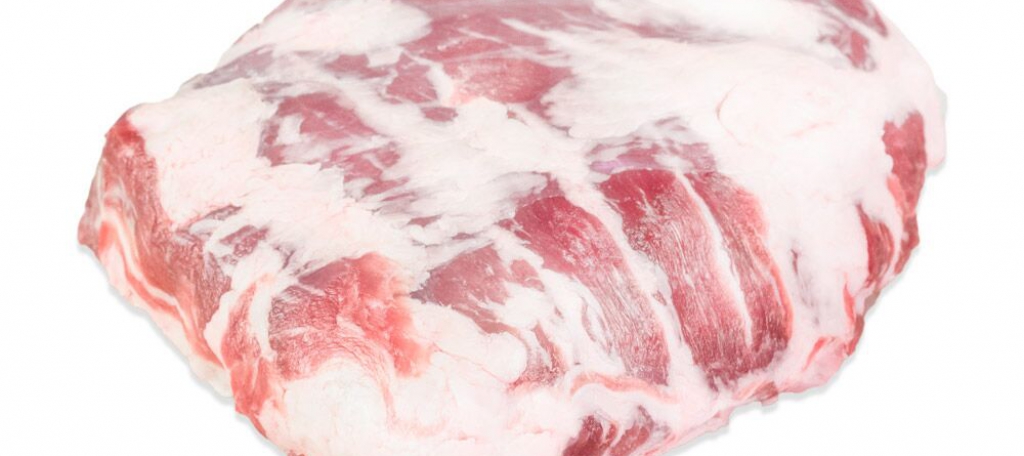
Fat, Extra Creamy, Sweet
Legendary Iberico pork made even better on a diet of foraged acorns that make the fat extra creamy and sweet - the best of the best! Protected from the central mountainous region of the Iberian Peninsula, the privileged microclimate in this area with its cold, dry winters and its short, mild summers is an ideal setting for our hams to dry and mature perfectly. In this area, with its unbeatable microclimate, every day hundreds of artisans, who are sons and grandsons of artisans, slowly and masterfully create the Guijuelo Iberian Ham, which is a 'one-of-a-kind in the world.'