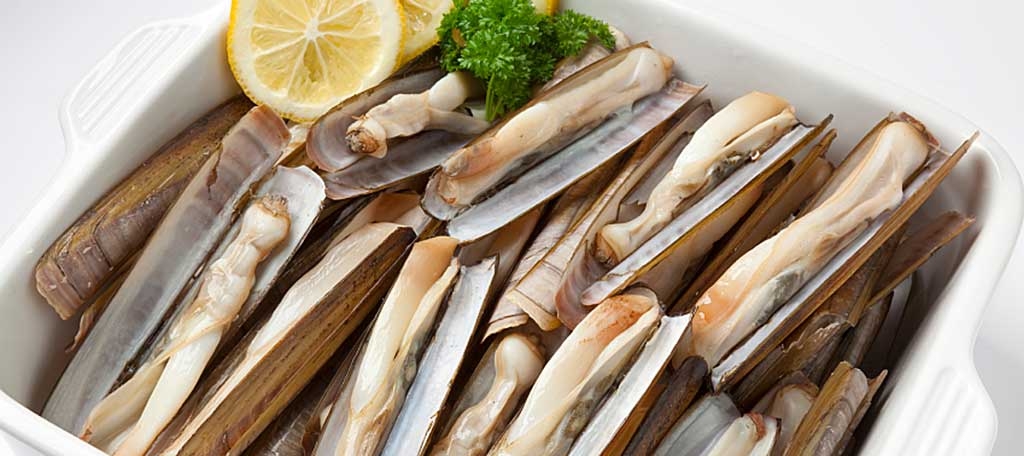
Razor
The Razor Clam is arguably the creamiest clam species.
Creamy, Sweet, Briny, Tender
Quick Facts
Commonly Known As:
Bamboo Clam, Jacknife Clam
-
Species Name
Clams
-
Latin Name
Ensis arcuatus, Ensis directus
-
Origin
New England Coast Line
-
Harvest Method
Hand Cultivated
-
Range & Habitat
North Atlantic & New England
-
Producer
New England Fleet

Range & Habitat
New England Fleet
New England was once the wealthiest region in the United States. Between 1850 and 1910 New Bedford was considered the whaling capital of the world. At this time whale oil and by products were more valuable than any other natural resource next to gold. The Seamen hunting these mammals were some of the richest men of their time building huge mansions along the coastline of New Bedford. They assembled the finest modern fishing fleets to hunt this ocean gem and nearly drove the whale to extinction. Today, New Bedford has transformed itself into a large scallop port along the Eastern Seaboard and produces the largest amount of shucked meats for our domestic consumption. In keeping with SeafoodS.com's commitment to providing complete regional solutions, our team has also layered in day-boat producers and aqua-culture artisans in Nantucket, Cape Cod, Boston, Glouster and many other local fisheries of the Northeast.
You Might Also Like These
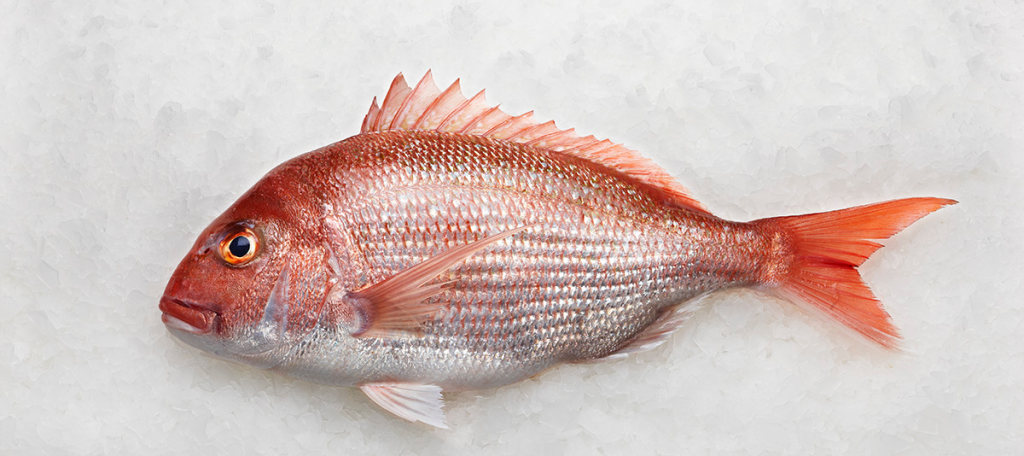
Tender, Light, Moist
Tai has a host of species attached with the moniker. This is the Pagrus auratus from New Zealand. It is a Porgy/Sea Bream that has a beautiful pink hued skin that is wonderfully edible. The flesh is a soft light pink that cooks to paper white, and is mild, sweet, and "fluffy". Applications are limitless! Menu as Tamure, Tai, Madai, Kodai, Red Sea Bream, or Porgy and your guests will revel in its versatility. Sashimi, Saute, Broil.
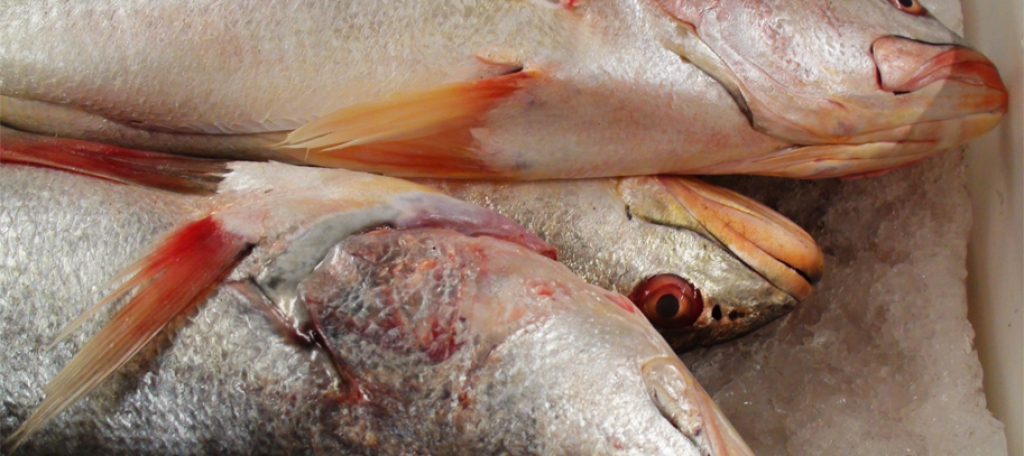
Moist, Large Flake, Mild
Resembling Smaller White Sea Bass, the Corvina has a mild flakey texture. It is a clean and versatile flavor that holds a plethora of application. This is one of the best Ceviche fish on the market, and can be utilized in any large Snapper and Grouper recipe. A leader in profitability, the Corvina taste and presents much more expensive than it is...
Ceviche, Saute, Grill, Broil.
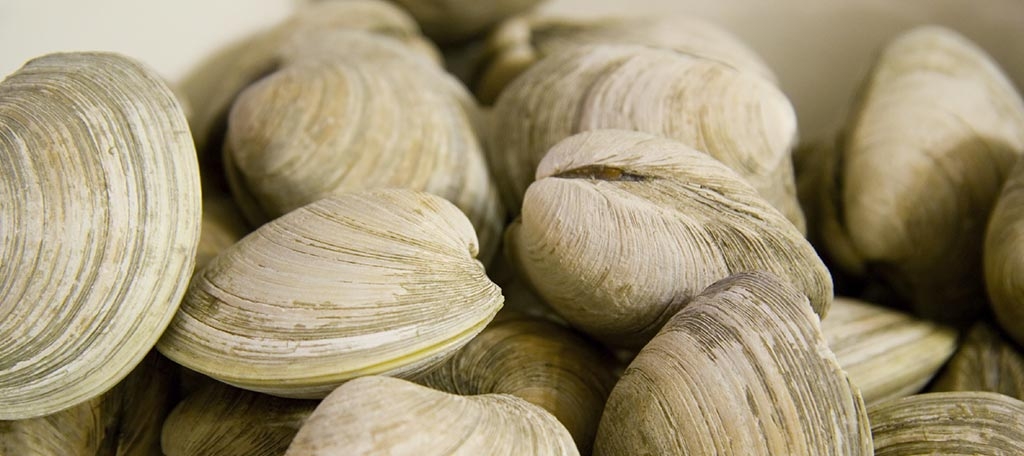
Creamy, Oceanic, Briny
The Freshest Clams available with incredible harvest dates will have a phenomenal shelf life. Utilize our Hard Clams with your favorite recipes to provide your guests with the freshest fare available. Steam, Bake, Stuff, Raw.