Red Florida
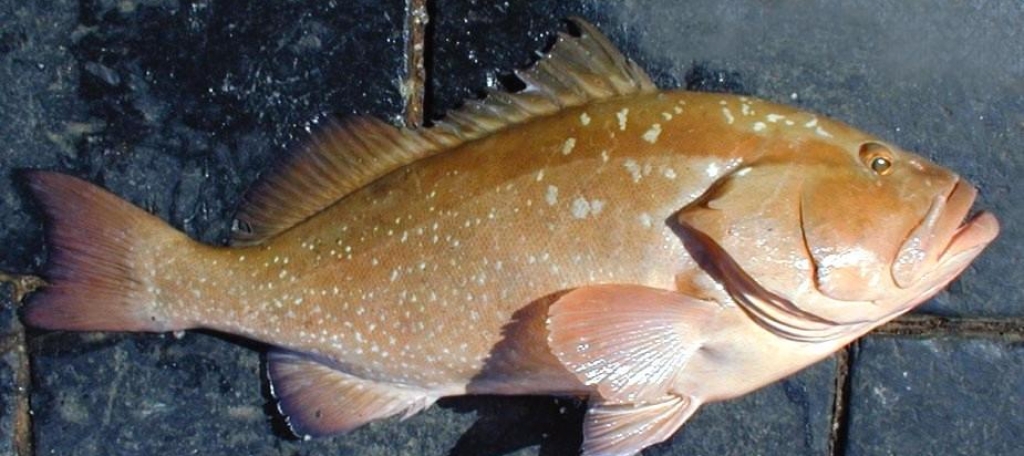
Red Grouper are smaller, strong-swimming Groupers. This lends to a flakey lean texture. Moderately Robust.
Clean, Complex Earthine
Quick Facts
Commonly Known As:
Red Grouper
-
Species Name
Grouper
-
Latin Name
Epinephelus morio
-
Origin
Madeira Beach, Florida
-
Harvest Method
Hook & Line
-
Range & Habitat
South Atlantic & Caribbean
-
Producer
St Pete Fleet
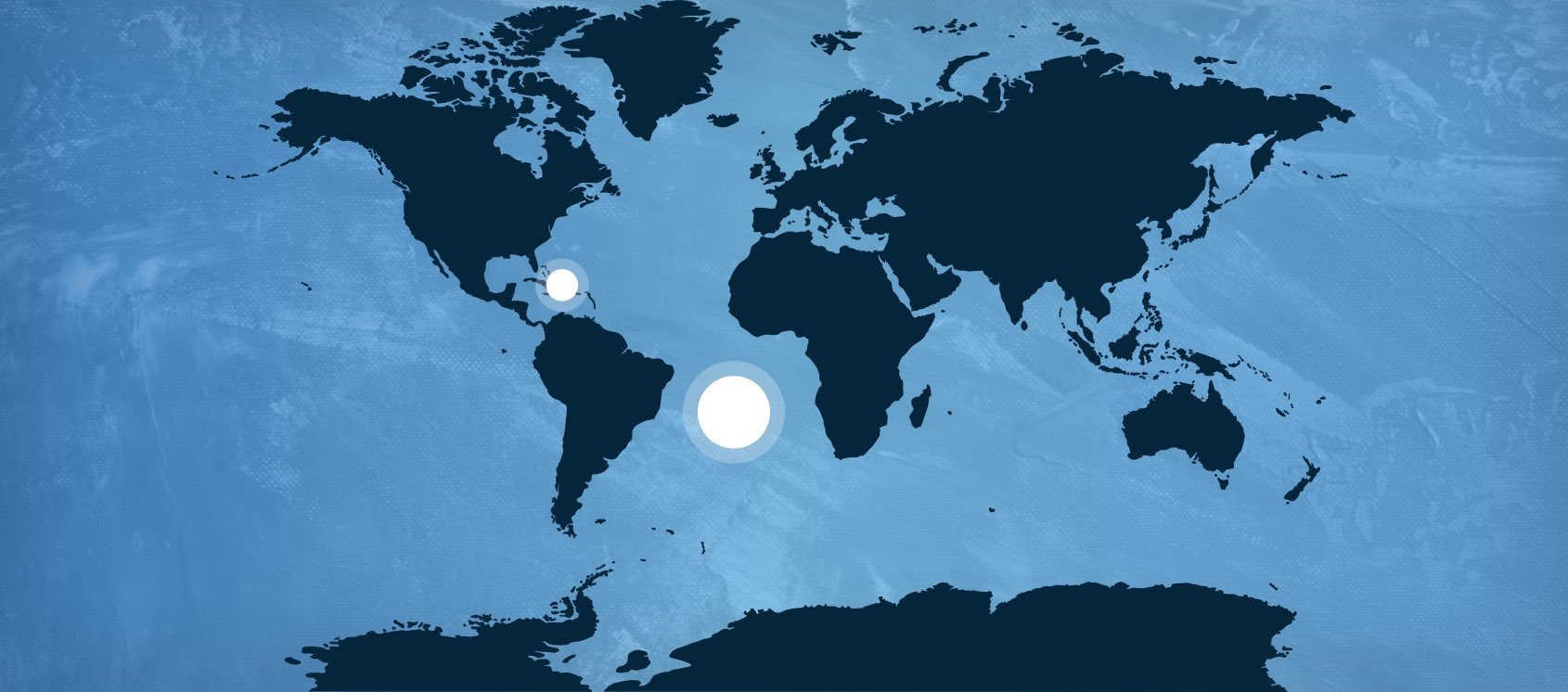
Range & Habitat
St Pete Fleet
St Petersburg Fleet - Jutting between the pristine waters of the Gulf Of Mexico and the vast span Atlantic Ocean, Florida Vessels have the best of both worlds. Day Boat and Long Line Fisheries produce a bounty of tropical species as well as migratory predators and pelagic species.
Ask any fish monger about procuring Gulf species and he’ll mention St. Petersburg, Florida (“St. Pete” for short). Vast varieties of fin-fish ranging from tuna and swordfish to groupers and snappers are distributed through this historically-rich region of the Florida coastline. Expect to also see a robust selection of Keys-caught species like yellowtail snapper, Caribbean Red Snapper and Hogfish to come through St. Pete. It’s regionally situated in a perfect location for national distribution and with our Q&A in place, it’s always top quality.
You Might Also Like These
Lean, Crunchy, Clean
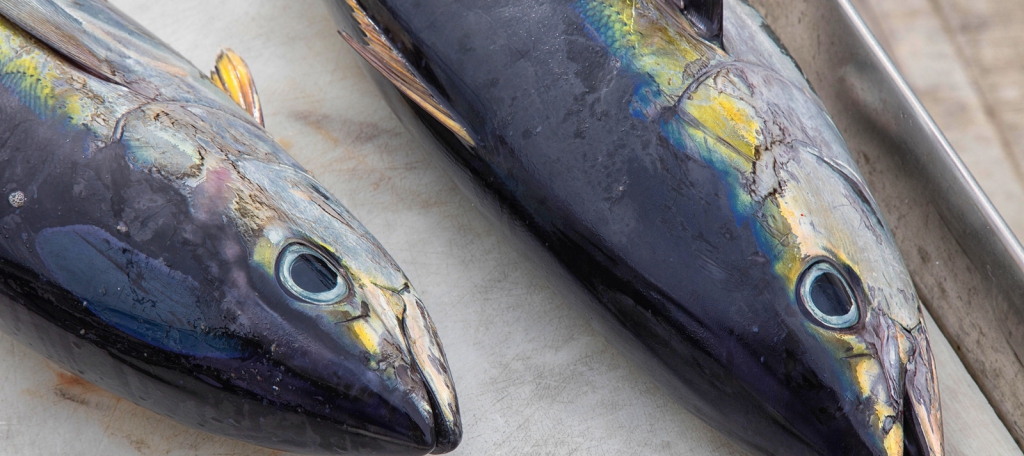
Among the larger Tuna species, reaching weights of over 400 pounds, the Yellowfin Tuna is a revered ocean predator, feeding on lean fish.
Moist, Flakey, Sweet, Succulent
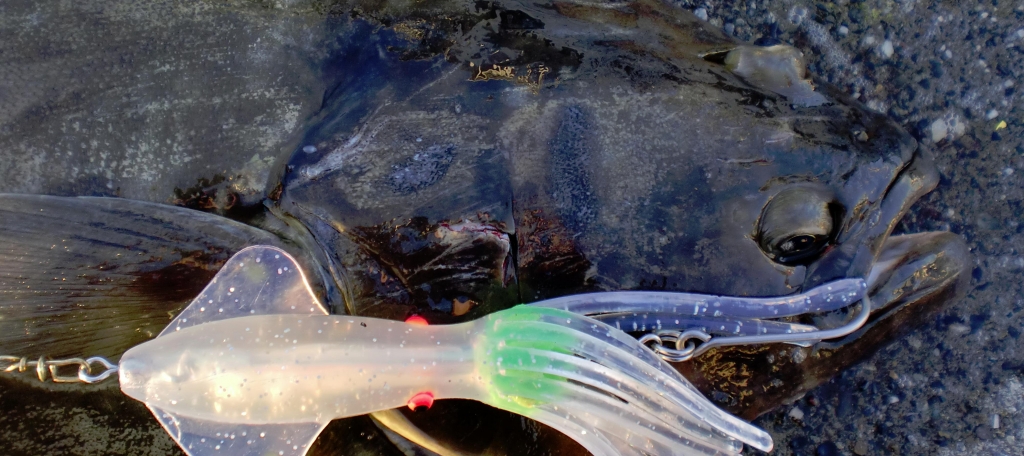
Atlantic Halibut is a large Right Eyed Flatfish in the same Genus as Alaskan Halibut. The Atlantic Halibut offers the same flake and quality as Alaskan with a slightly leaner finish. It has a beautiful large flake and a firm yet supple consistency. These Fish are rock stars of the Flatfish world and have a limitless culinary application. Sear, Saute, Sashimi, Poach.