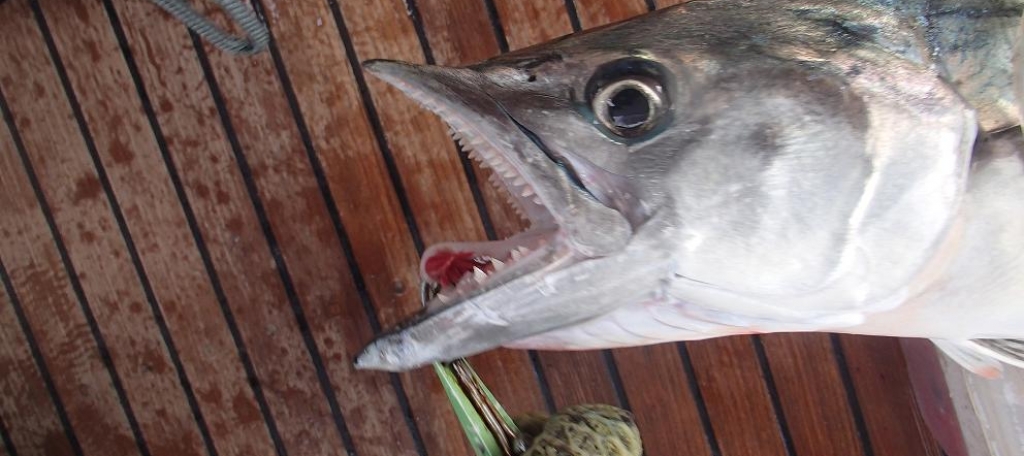
Spanish Apalachee Bay
Spanish Mackerel is very smooth in texture with a bold ocean flavor.
Silky, Flakey, Bold, Creamy
Quick Facts
Commonly Known As:
Spanish Mackerel
-
Species Name
Mackerel
-
Latin Name
Scomberomorus maculatus
-
Origin
Florida Gulf of Mexico
-
Harvest Method
Hook & Line
-
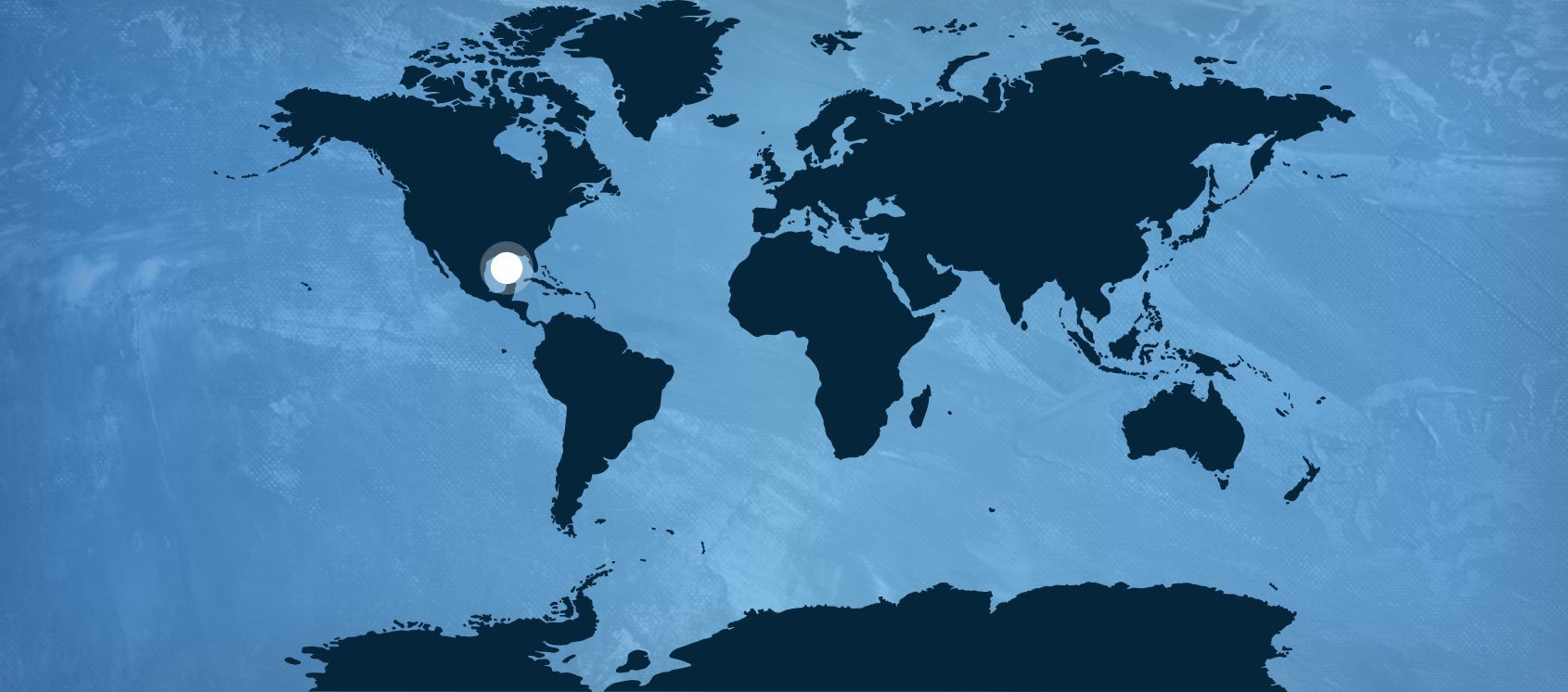
Range & Habitat
Gulf Of Mexico
-
Producer
SFS Partnership
Range & Habitat
SFS Partnership
SeafoodS.com takes the upmost pride in bringing locally-minded fisheries to your guests. Whether our products are shipped from Fishermen, Ranchers, Foragers, Artisans or Importers, it is our passion to deliver excellent product through perfect service to you and your guests.
You Might Also Like These
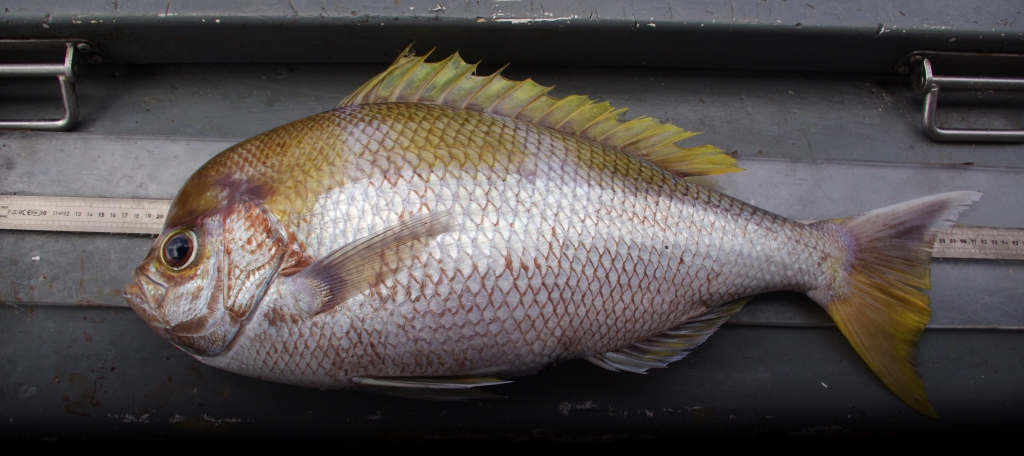
The Bedford Bream are the most abundant of these "Snappers", so for that reason they are much more menu versatile than flashier species. They have a beautiful white translucent flesh which cooks up very nicely, with a firm flake and texture in the mouth. The excellent quality, sweet flavor, and value, all combine to make our clients sit up and take notice!
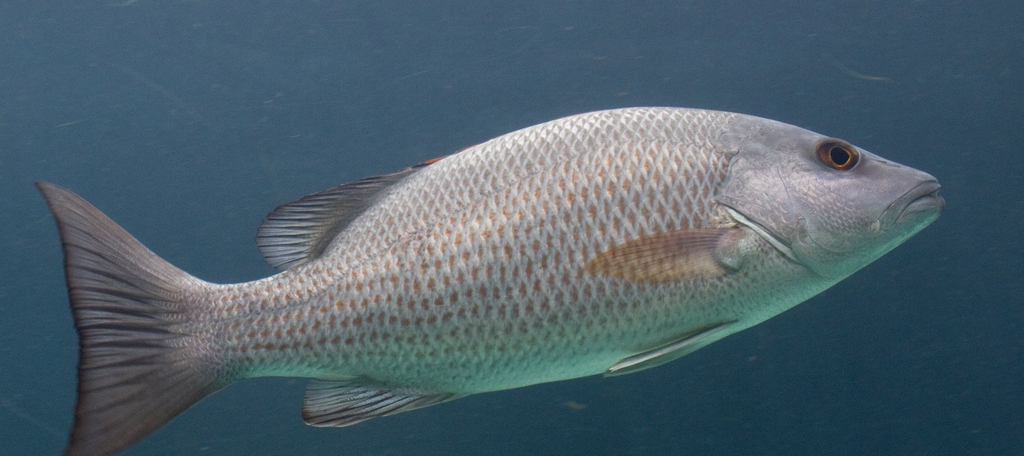
Lean, Succulent, Clean
Mangrove Snapper love shallow tidal currents. Typically found near stands of Mangrove Trees in areas where tidal waters flow in and out. Strong swimming and voracious eating result in complex and moderate flavors. Ceviche, Steam, Saute, Pan Roast.
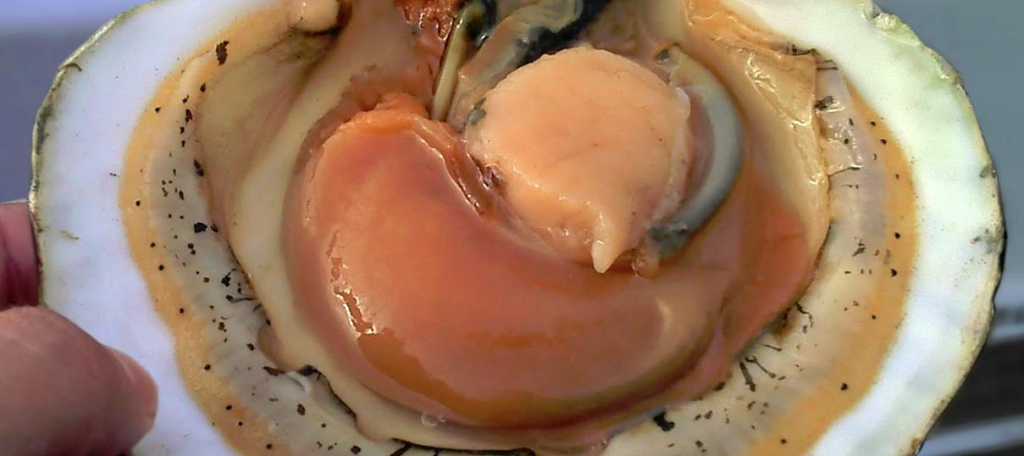
Sweet, Buttery, Rich, Creamy
Sea Scallops offer one of the most sought flavors in seafood. They are naturally high in sugars which relate to a beautifully caramelized product. Sea Scallops are a easily portioned for any application.