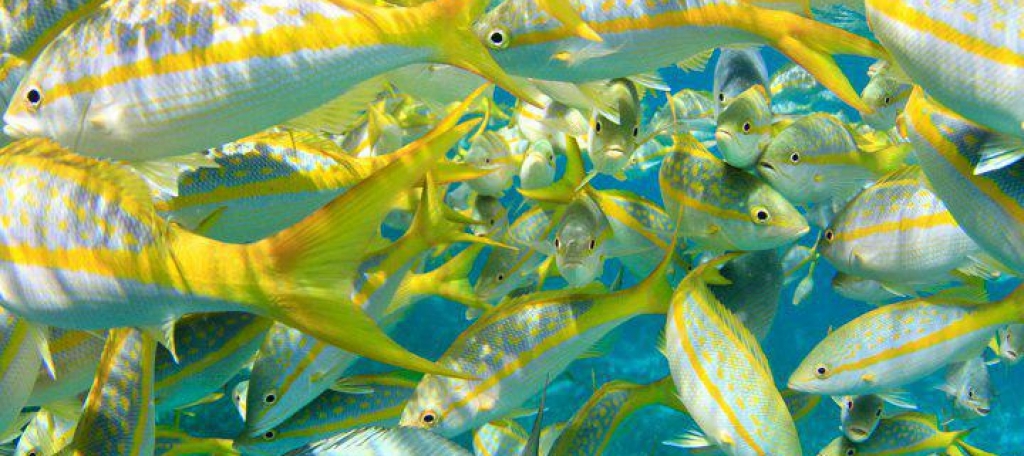
Yellowtail Florida Keys
Phenomenal Whole Fish presentation and portion-sized fillet with a crispy edible skin. Paper white.
Light, Sweet, Flakey
Quick Facts
Commonly Known As:
(French) Colas
-
Species Name
Snapper
-
Latin Name
Ocyurus chrysurus
-
Origin
Florida Keys
-
Harvest Method
Net Caught
-
Range & Habitat
South Atlantic & Caribbean
-
Producer
St Pete Fleet

Range & Habitat
St Pete Fleet
St Petersburg Fleet - Jutting between the pristine waters of the Gulf Of Mexico and the vast span Atlantic Ocean, Florida Vessels have the best of both worlds. Day Boat and Long Line Fisheries produce a bounty of tropical species as well as migratory predators and pelagic species.
Ask any fish monger about procuring Gulf species and he’ll mention St. Petersburg, Florida (“St. Pete” for short). Vast varieties of fin-fish ranging from tuna and swordfish to groupers and snappers are distributed through this historically-rich region of the Florida coastline. Expect to also see a robust selection of Keys-caught species like yellowtail snapper, Caribbean Red Snapper and Hogfish to come through St. Pete. It’s regionally situated in a perfect location for national distribution and with our Q&A in place, it’s always top quality.
You Might Also Like These
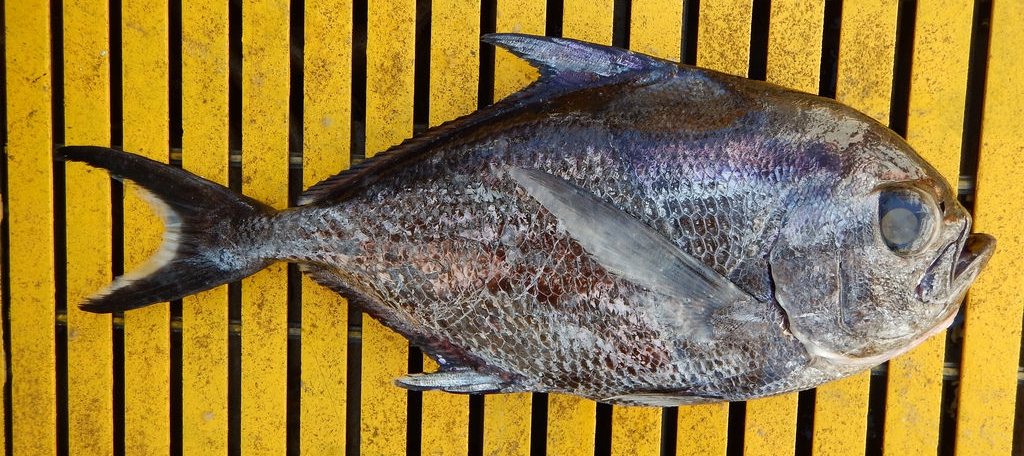
Light, Mild, Flakey, Moist
Monchong is a deep ocean Pomphret that offers a lightly flavored, very moist flesh. It has a very white color when cooked and is forgiving to high heat and caramelizes well. The Monchong offers plenty of nutritional value and is a clean taste that accents many Pacific Rim and French culinary styles. SeafoodS.com offers Monchong year round.
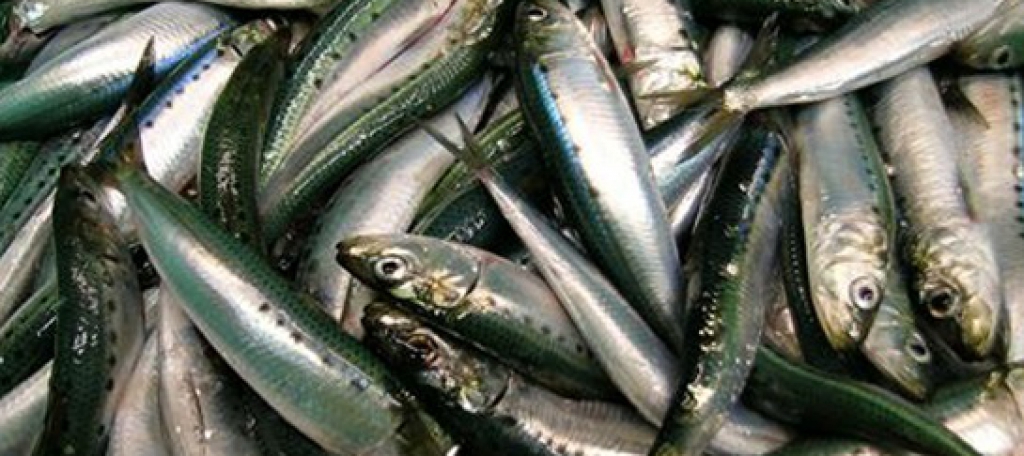
Creamy, Robust, Complex
Pacific Sardines are very rich in fish oil. They have a creamy texture and robust flavor. The Pacific Sardine is a very Sustainable species and lend themselves to a wide range of culinary uses. Served whole typically, but they have a beautiful fillet and are sizable for tapas and "small plate" uses. Roast, Grill, Saute, Poach, Pickle.
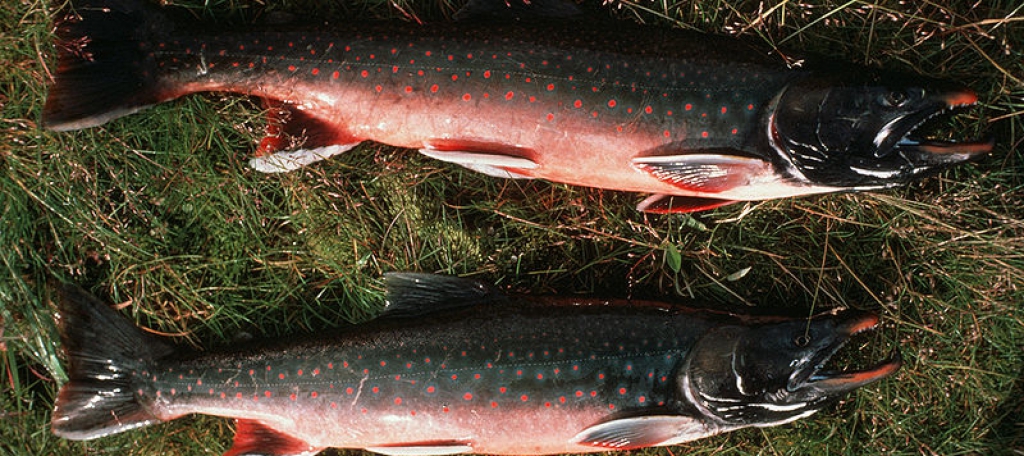
Silky, Flakey, Mild
Arctic Char packs the fat of larger Salmodaie into its smaller frame. Rich and creamy doesn't even scratch the surface of this incredible species. Typical market size fall between 2 and 8 lbs. A light orange flesh cooks to a brilliant pink and flakes beautifuly. The abundant fat keeps the flesh moist against high heat cooking methods, and is very forgiving to slight overcooking. Arctic Char bridges the familiarity of Salmon with the uniqueness all its own.