
Atlantic Tasmanian
Very rich & fatty with a moderate flavor.
Buttery, Silky, Rich
Quick Facts
Commonly Known As:
Sea Salmon
-
Species Name
Salmon
-
Latin Name
Salmo salar
-
Origin
Macquarie Harbour, Tasmania
-
Harvest Method
Hand Cultivated
-
Range & Habitat
New Zealand & Australia
-
Producer

Range & Habitat
Petuna
PETUNA - Petuna is Tasmania’s largest multi-species seafood supplier, operating from the pristine Southern Ocean and in one of the world’s finest coastal environments. Macquarie Harbour – the Harbour features a layer of tannin-stained fresh water over sea water and, along with strong currents, creates the best aquaculture farming conditions in the world. The brownish tannin, which is characteristic of Tasmania’s wild rivers, provides natural shelter for Ocean Trout and Atlantic Salmon, and helps them achieve a good growth cycle throughout the year.
You Might Also Like These
Silky, Flakey, Mild
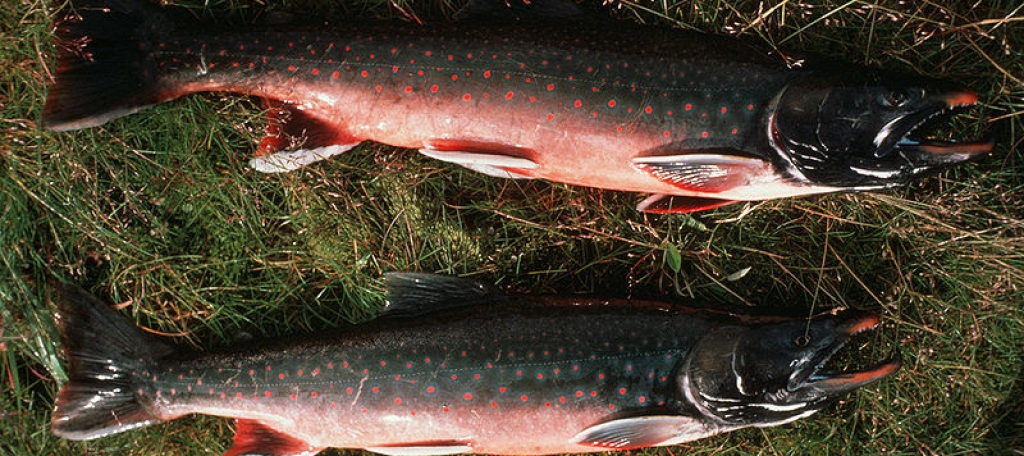
Arctic Char packs the fat of larger Salmodaie into its smaller frame. Rich and creamy doesn't even scratch the surface of this incredible species. Typical market size fall between 2 and 8 lbs. A light orange flesh cooks to a brilliant pink and flakes beautifuly. The abundant fat keeps the flesh moist against high heat cooking methods, and is very forgiving to slight overcooking. Arctic Char bridges the familiarity of Salmon with the uniqueness all its own.

Moist, Sweet, Paper White
Similar to Chilean Seabass, Alaskan Black Cod has one of the best "Flake" of any species. Ribbon-like layers of "Butter". The depths of Black Cod's habitat lend to extreme moisture levels. Abundant moisture, and clean sweetness, provide the restaurant guest the ultimate in Fine Dining! It also gives Chef a canvas that is limitless in preparation.

Rich, Succulent, Tender, Rich
Monkfish is arguably the most unique texture in seafood. When prepared correctly Monkfish is most resemblant of Atlantic Lobster meat. Though versatile in preparation methods, most culinarians enjoy a slow application. Monk Tail "Osso Bucco" is a very recognized dish in American and European dining. Monkfish are predominantly sold "tails only". The tail is virtually the only usable part of the fish.