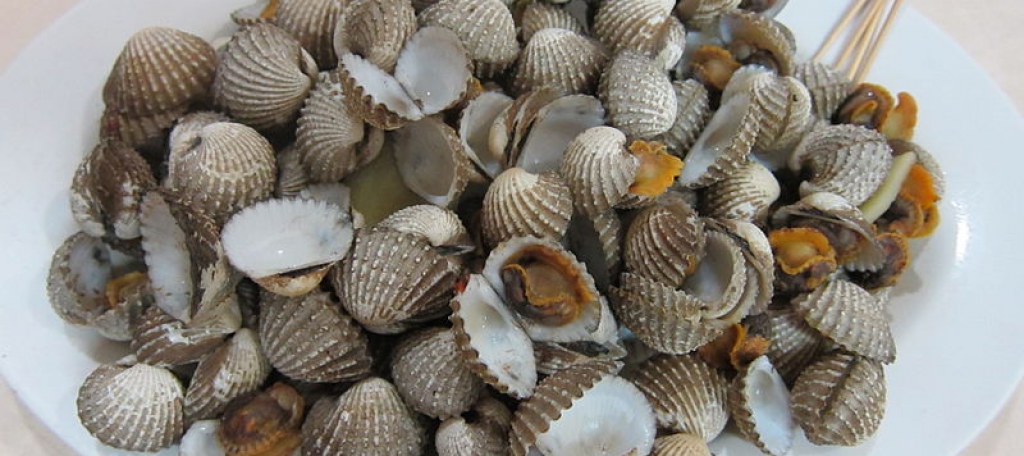
New Zealand Cockles
One of the best Clams in dining. The meats are large & succulent, with a fresh briny flavor that works with dishes from the Mediterranean to the Orient.
Creamy, Firm, Complex, Robust
Quick Facts
Commonly Known As:
New Zealand Little Neck Clam
-
Species Name
Cockles
-
Latin Name
Austrovenus stutchburyi
-
Harvest Method
Hand Cultivated
-
Range & Habitat
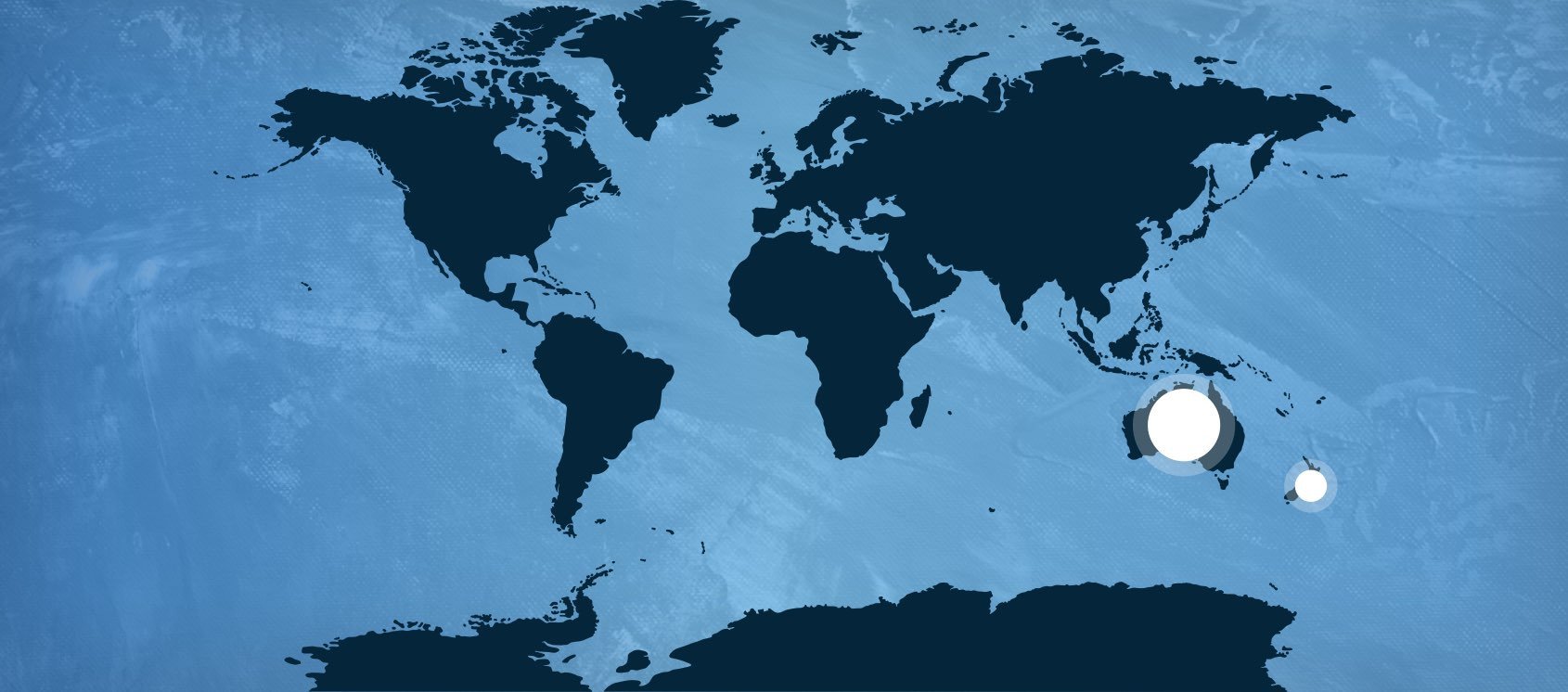
New Zealand & Australia
-
Producer
Range & Habitat
Leigh Fisheries
LEIGH FISHERIES- The Lee Fish brand is recognized around the world as a prime source for premium-quality chilled seafood. Leigh's boats fish only inside New Zealand's clear, pristine, regulated waters.
FISHING VESSELS- In total, there are 53 independent boats fishing for Leigh Fisheries on a permanent basis. These vessels unload at 14 different ports throughout the North Island and comprise of the following:
- 12 Lobster (Crayfish) boats.
- 20 Long line (day) boats fishing for Snapper and various bi-catch.
- 6 Danish Purse Seiners fishing for Snapper and John Dory.
- 5 Long line boats fishing for Bluenose and Groper.
- 6 Surface long line Tuna boats fishing for Southern Bluefin Tuna and Swordfish
- 4 Gillnet boats fishing for Mullet and Flounder.
You Might Also Like These
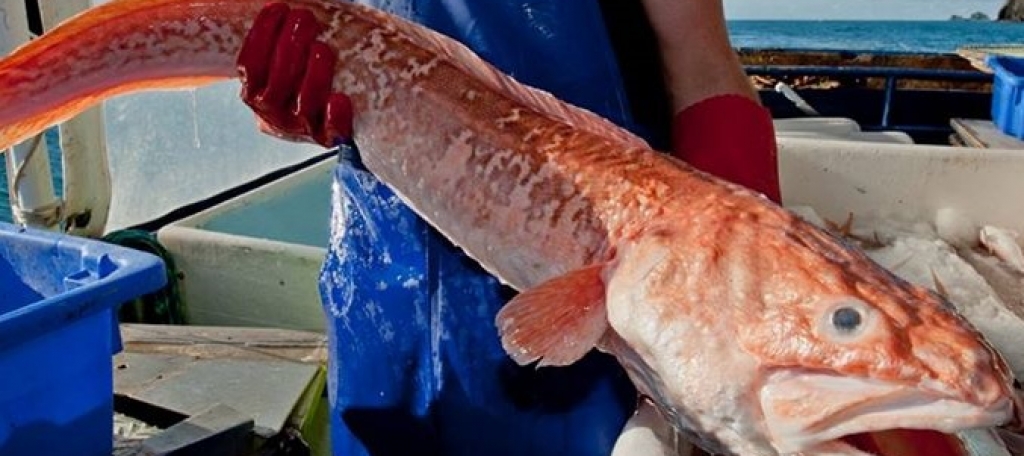
Rich, Creamy, Sweet
Ling is a Cusk Eel also known as Kingclip. It has a texture similar to Lobster and Monkfish. Ikijime Ling is perfect for aSashimi as it is a light white with a creamy texture. The fish are caught between 100 and 1500 feet deep. Very fatty and very sweet.
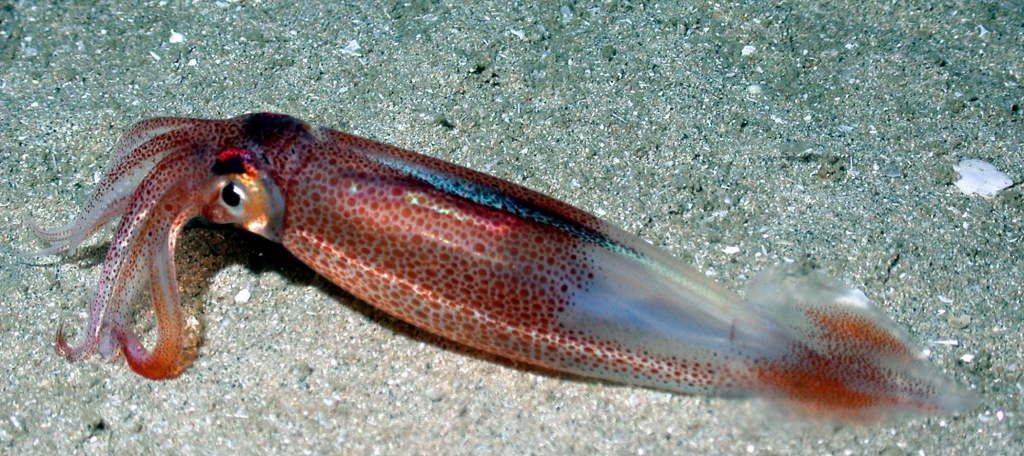
Mild, Textural, Clean
Longfin Squid are an inshore species and are readily available for National distribution. The Longfin Squid is a sweet and clean flavored species, and when properly cooked, can deliver one of the most tender textures in Cephalopod Dining. Grill, Fry, Saute, Stuff, Sous Vide.
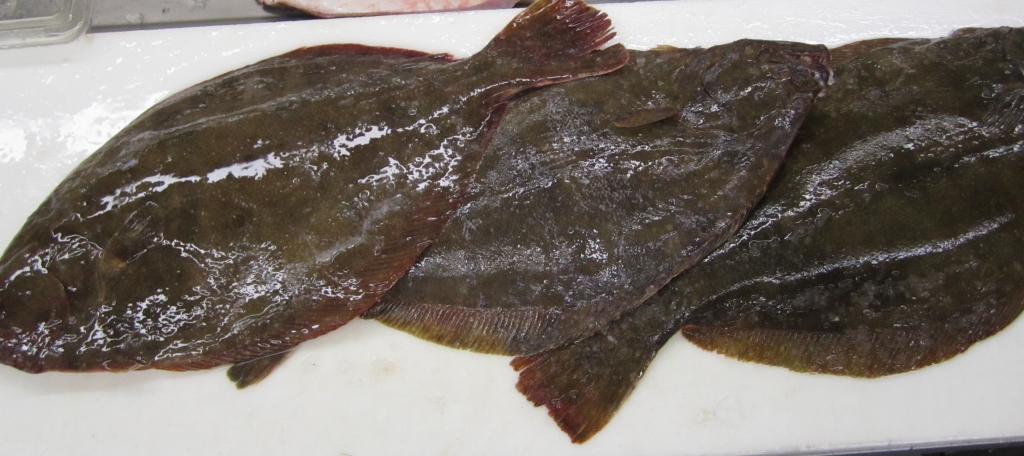
Sweet, Light, Paper White
Nantucket Fluke is a “Left- Eyed” Flatfish. They inhabit chilly waters. This results in a moist fish from body “fat”, that regulates their temperature, and protects the fish from cold environments. Nantucket Fluke are the step above Flounders in this regard and are comparable to tiny Halibut.