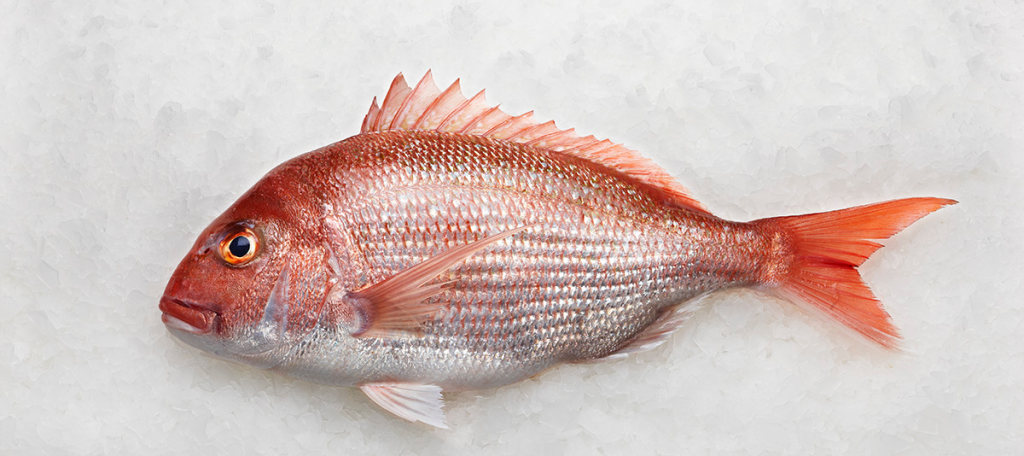
Tai Snapper
Much like the Red Snapper with a softer palate.
Tender, Light, Moist
Quick Facts
Commonly Known As:
Tai Snapper, Genuine Tai, Tamure, Pink Snapper, Red Sea Bream
-
Species Name
Sea Bream
-
Latin Name
Pagrus auratus
-
Origin
Cook Straight
-
Harvest Method
Hook & Line
-
Range & Habitat
New Zealand & Australia
-
Producer

Range & Habitat
Leigh Fisheries
LEIGH FISHERIES- The Lee Fish brand is recognized around the world as a prime source for premium-quality chilled seafood. Leigh's boats fish only inside New Zealand's clear, pristine, regulated waters.
FISHING VESSELS- In total, there are 53 independent boats fishing for Leigh Fisheries on a permanent basis. These vessels unload at 14 different ports throughout the North Island and comprise of the following:
- 12 Lobster (Crayfish) boats.
- 20 Long line (day) boats fishing for Snapper and various bi-catch.
- 6 Danish Purse Seiners fishing for Snapper and John Dory.
- 5 Long line boats fishing for Bluenose and Groper.
- 6 Surface long line Tuna boats fishing for Southern Bluefin Tuna and Swordfish
- 4 Gillnet boats fishing for Mullet and Flounder.
You Might Also Like These
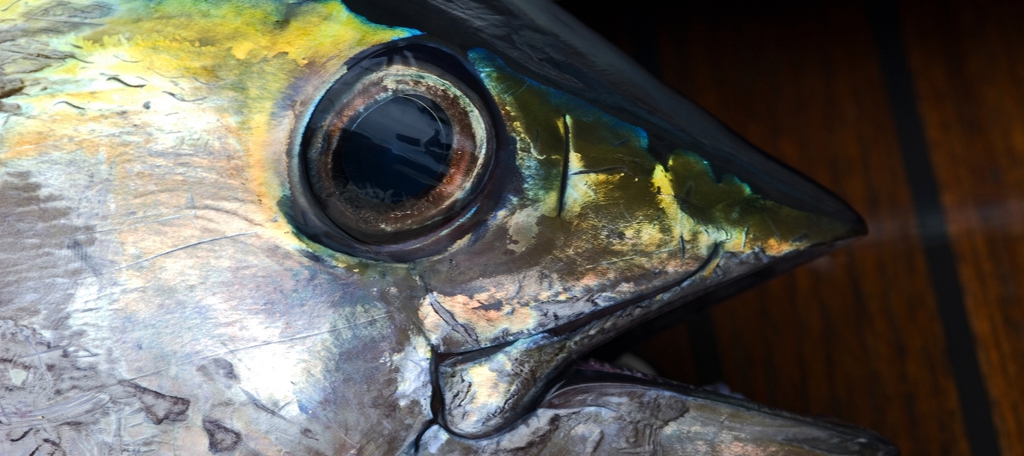
Rich, Clean
The Yellowfin Tuna is among the larger Tuna species, reaching weights of over 400 pounds. The Yellowfin is a revered ocean predators, feeding on lean fish. This lends a rich but clean flavor that works wonderfully in raw and rare applications. Sashimi, Sushi, Tartare, Poke, Sear, Grill.
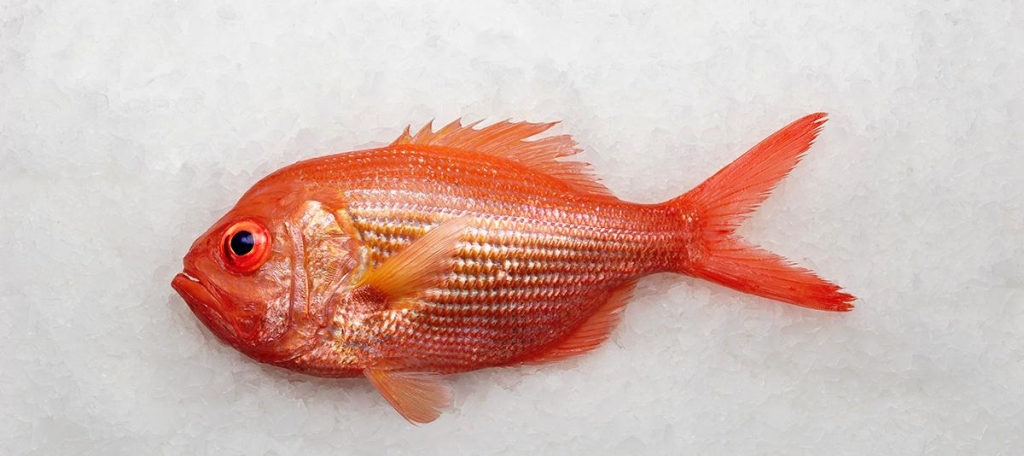
Sweet, Mild, Silky
New Zealand Red Snapper are akin to the revered Alfonsino. Also known as Golden Snapper, the Skin is a brilliant orange that is deliciously edible. The flesh is an opaque white with firm, yet silky attributes. The Japanese believe the consumption of this fish is for celebratory reasons. Weddings and New Year's Eve are perfect examples. Menu this Snapper to make every plate a celebration. Menu as Hamadai, New Zealand Red Snapper, Golden Snapper, or Nannygai.
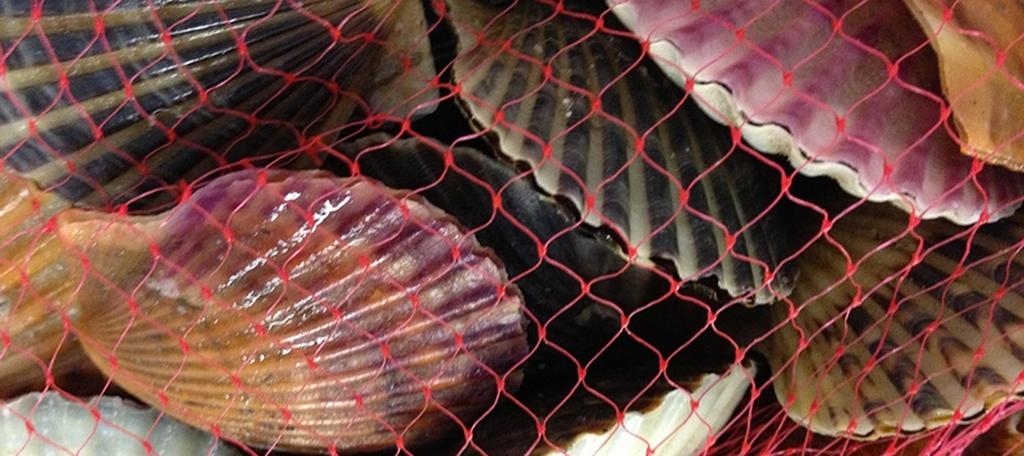
Extremely Sweet
Taylor Bays are Cape Cod Bay Scallops - Argopecten irradians. Touted as the best of scallops, these exceptionally delicious delicacies are highly prized by chefs around the world. These cultured Cape Cod Bay Scallops are sold live in the shell, to be served as you would clams, oysters or mussels.